
Overview
Ranging from filmmaking and direction to photography, visual effects and animation, our project-based degree programmes and short courses help you develop your creative voice as an audiovisual storyteller and prepare you for a career in the world of film and visual media.
Our courses will empower you to cultivate your skills and experience across various media and storytelling formats. Moreover, they will challenge you to question the status quo, innovate and embark on the creation of original work, all under the guidance of industry-acclaimed experts. You’ll also have the opportunity to collaborate with students in our acting and music schools.
Undergraduate courses
Visual Effects, Video Game & Digital Arts BA (Hons) / HE Certificate
Create 2D and 3D animations, game-ready assets, and visual effects for film, games, live visuals and digital arts in this hands-on, multidisciplinary, project-based programme.
Film Production BA (Hons) / HE Certificate
Learn how to express your authentic self through film, create original work from your own unique point of view and embrace global perspectives as part of an international community of filmmakers.
Documentary Photography BA (Hons) / HE Certificate
Tell powerful visual stories that make an impact. This hands-on degree explores socially engaged documentary photography through collaborative projects, critical inquiry and real-world practice.
Postgraduate courses
Creative Production (Film) MA
Deepen your creative practice as a filmmaker, director, cinematographer, editor, writer or audiovisual artist through practice-based artistic research.
Applied Creative Psychology MA
Explore how creativity drives personal growth, wellbeing and social change by blending artistic practice with evidence-based research in Europe's first Master’s in the psychology of creativity.
Summer short courses
Filmmaking – Short Course
Level: Beginner
Kickstart your journey as a film writer, director, cinematographer or editor and learn the fundamentals of storytelling, photography, pre-production, working with actors and post-production.
Documentary Photography – Short Course
Level: Beginner
Spend four weeks photographing the people, streets and stories of Berlin. Develop your skills in street photography, visual storytelling and editing as you create a compelling photo series, produce your own printed zine and exhibit your work in a group showcase at the Funkhaus.
Unreal Engine and Environment Design – Short Course
Level: Beginner
Learn the creative and technical foundations of environment design for games and animation. Across four weeks, you’ll develop, build and present your own cinematic or interactive environment, gaining hands-on experience with industry-standard tools, workflows and storytelling techniques in real-time 3D production.
Learn by doing
You won’t find any “traditional” classrooms, lectures or exams at Catalyst. It’s hands-on from day one and you’ll be collaborating with other motivated creatives on projects. You’ll produce work under challenging creative and logistical constraints that will both stretch and empower you. You’ll use this momentum to form a foundation of technical skills and theoretical understanding, then build upon it with expert guidance by our tutors.
Professional facilities
Based at the iconic Funkhaus, our riverside campus is part of the historic building that was once a national broadcasting station and one of the world’s largest multi-studio complexes during the GDR era.
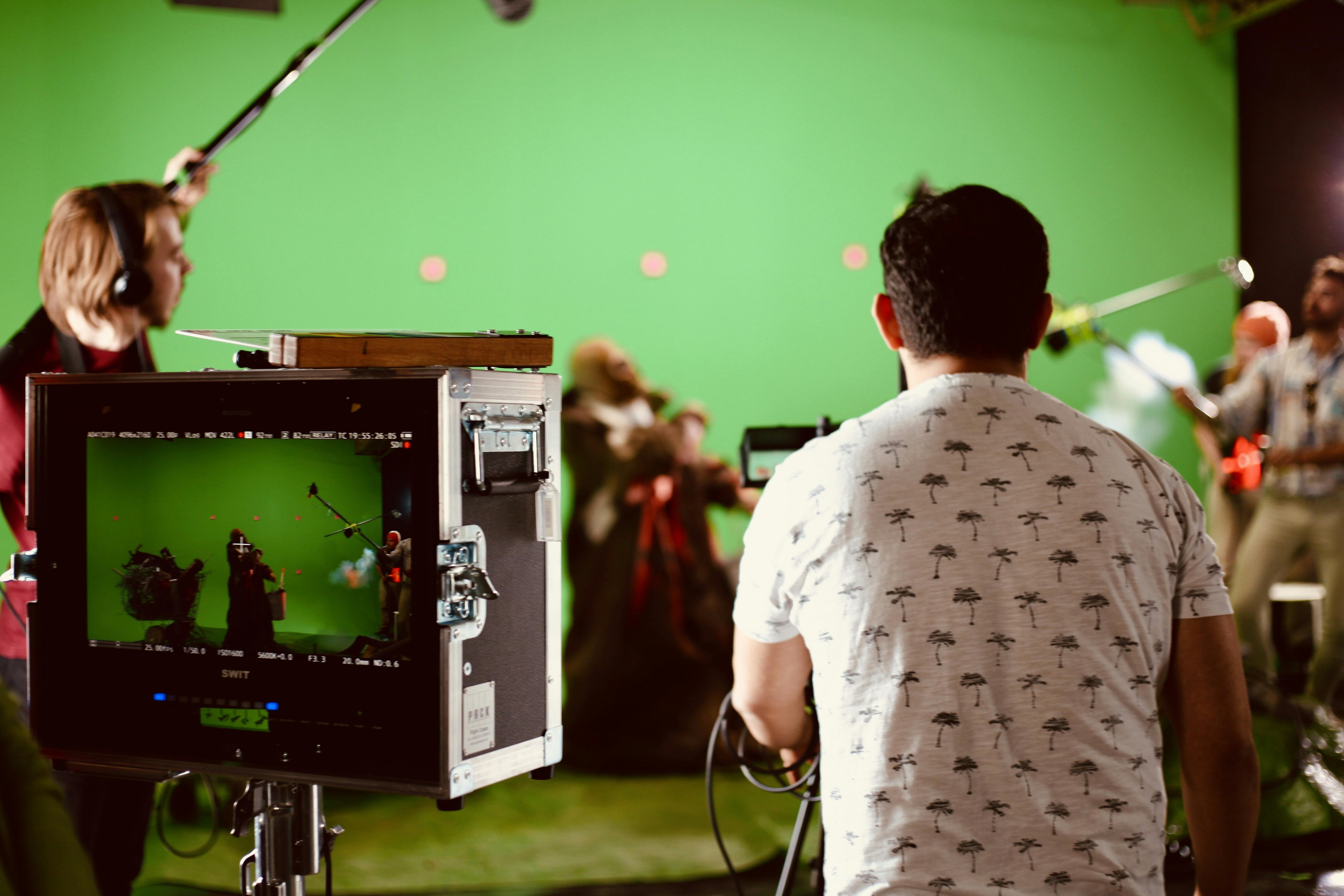
It’s a technological playground with professional facilities, including a film studio with green screen, a cinema, a theatre, post-production suites, visual effects workstations, vocal studios and multiple computer labs. You’ll also get your hands on several tons of bookable audiovisual equipment, including cameras, lights, stands, grips, graphic tablets, motion capture equipment, high definition projectors and VR headsets.
Taught by experts
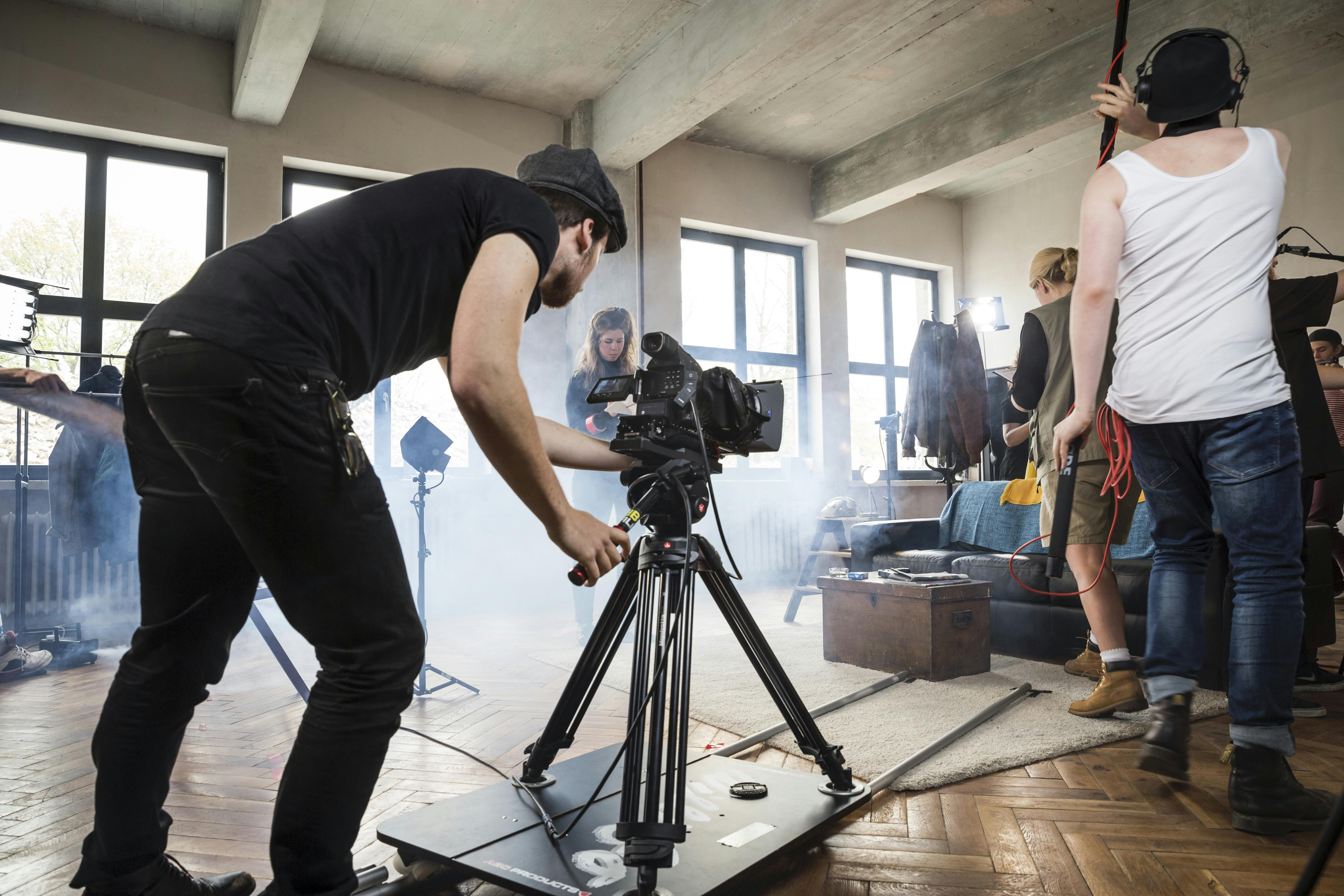
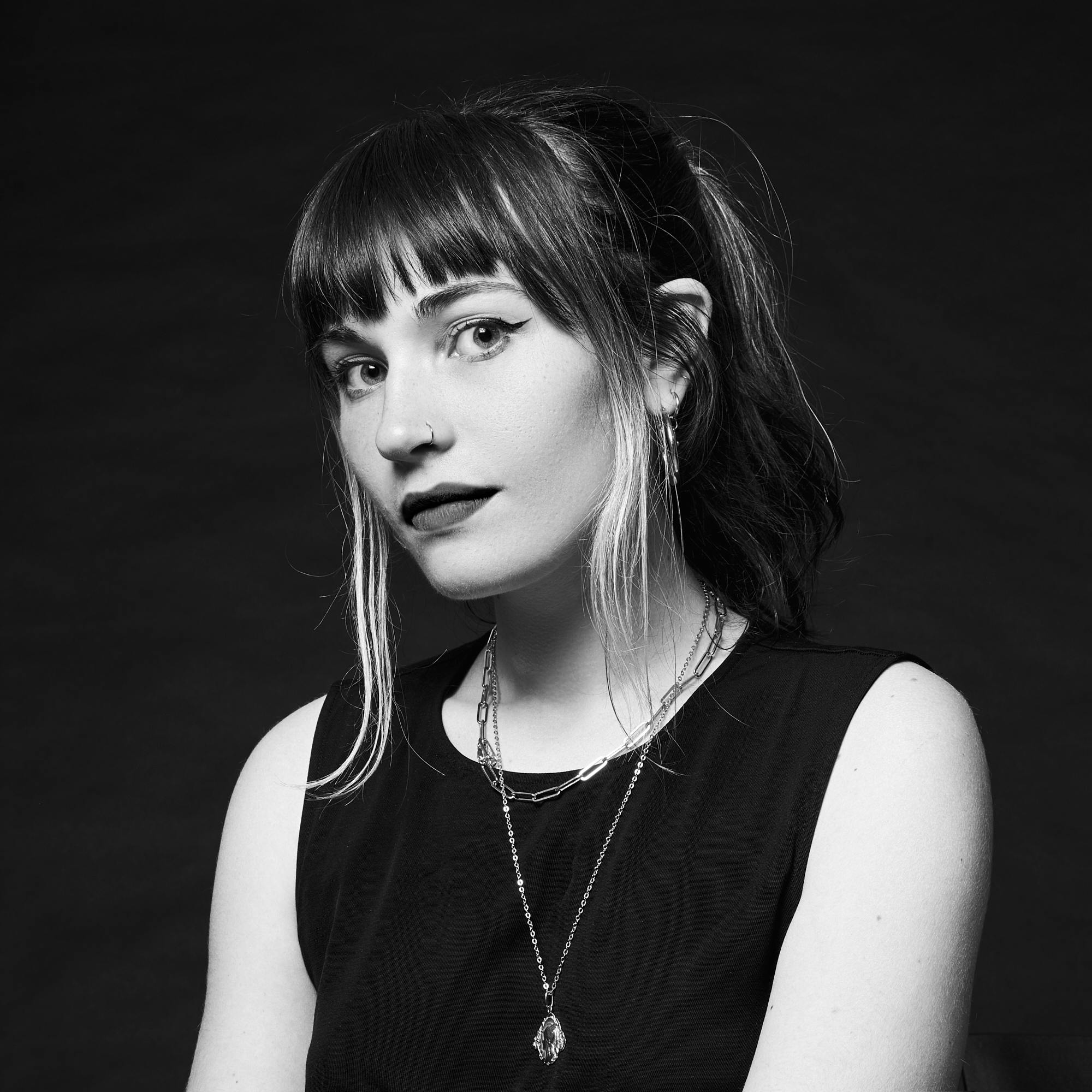
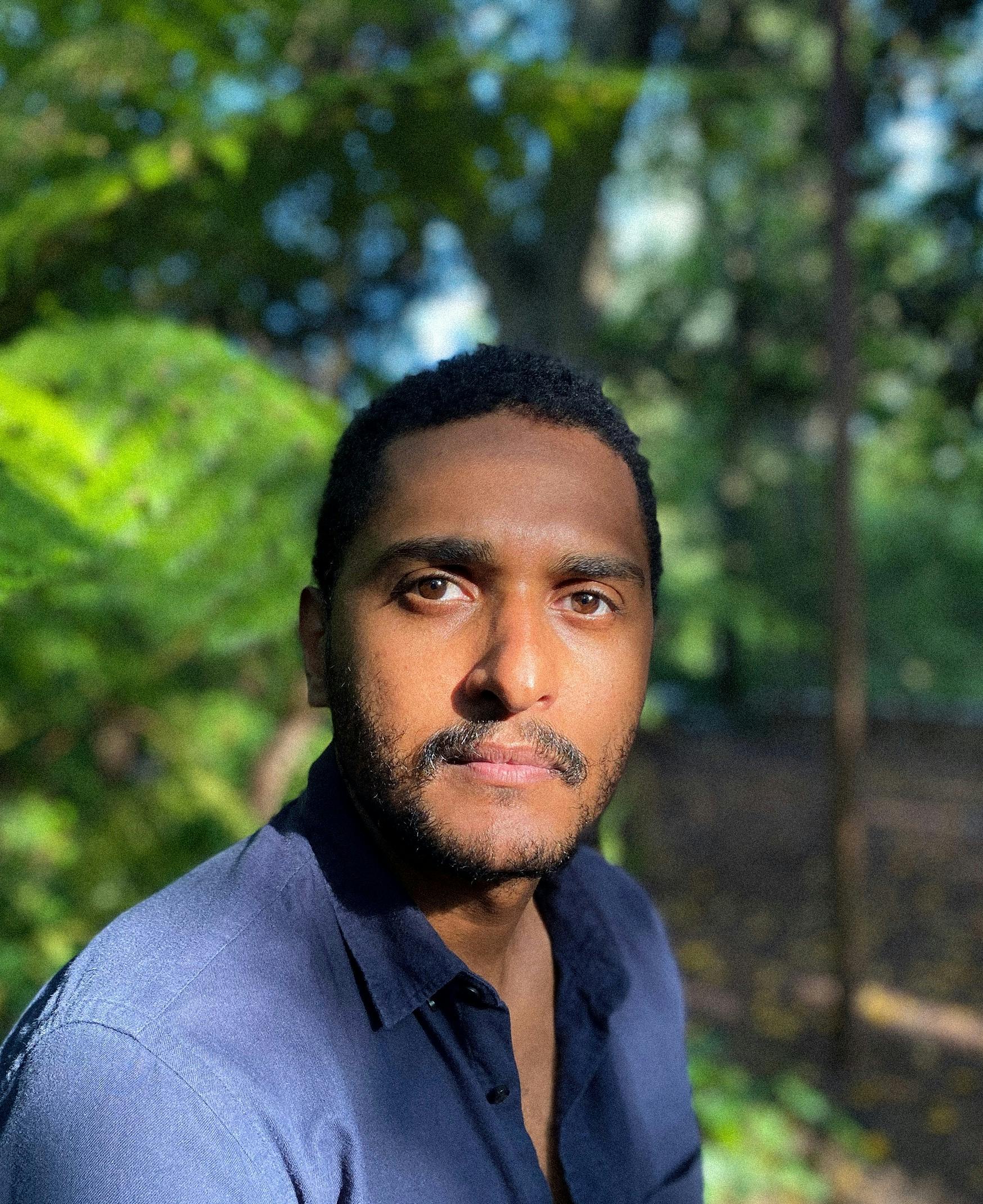
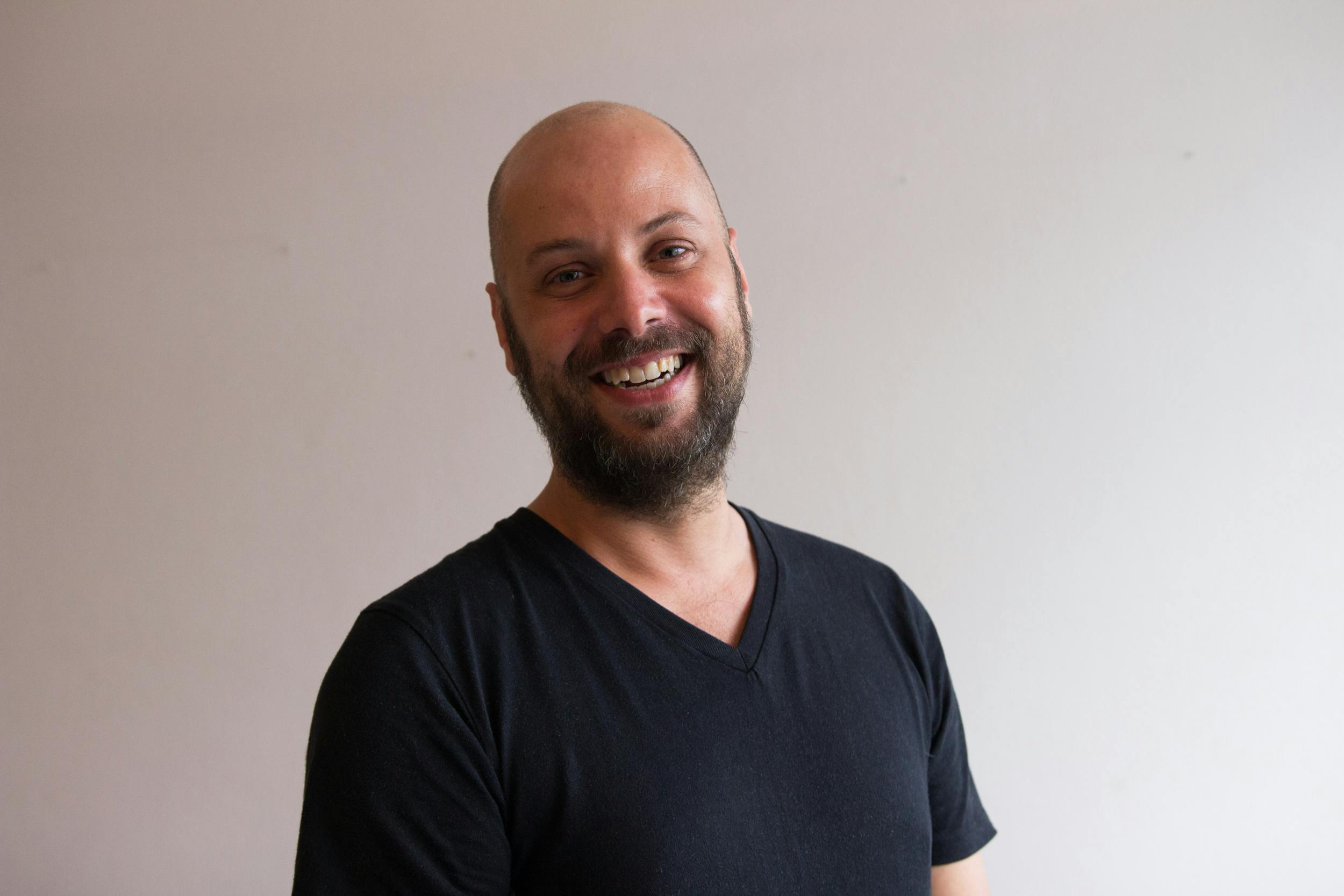
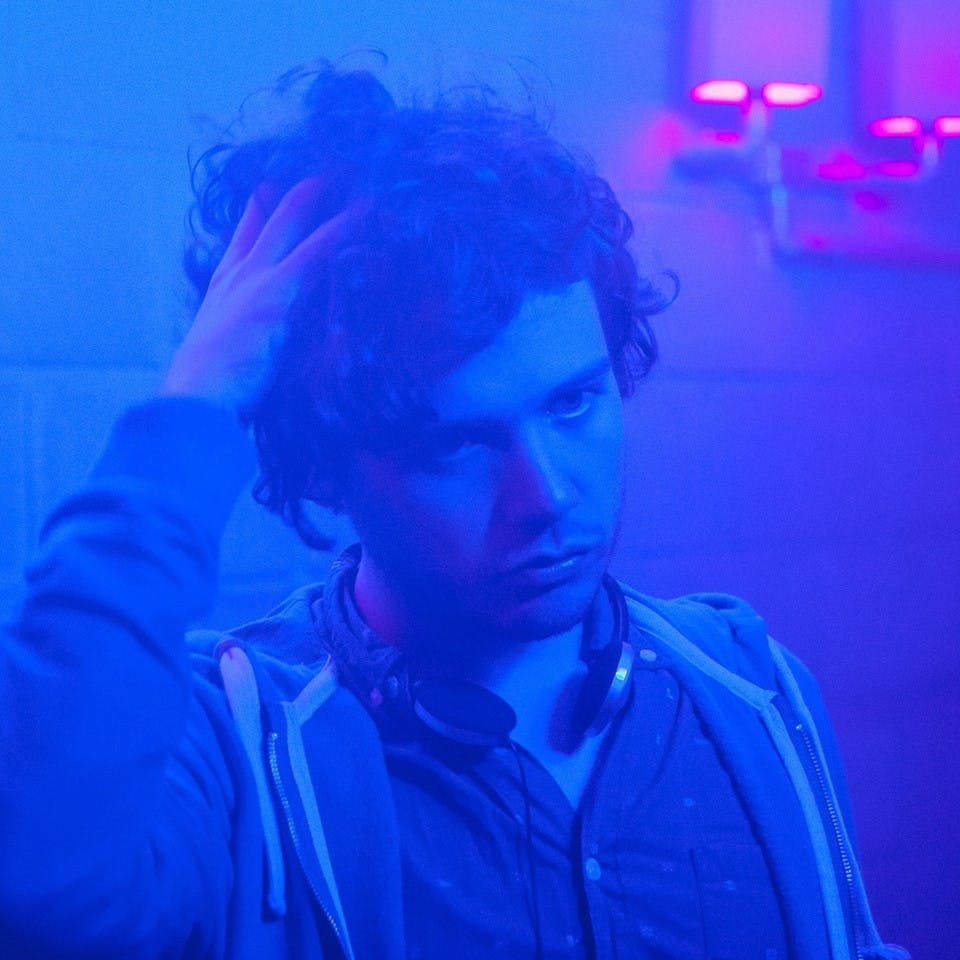
Our courses are delivered by a team of expert tutors and internationally-acclaimed visiting industry professionals, with a genuine passion for passing on their specialist knowledge to others.
They'll ask the difficult questions you've been avoiding, set challenges that stretch you in ways you didn’t know you were capable of, provide insights into new ways of thinking, heap praise where it's due and prepare you for professional opportunities.


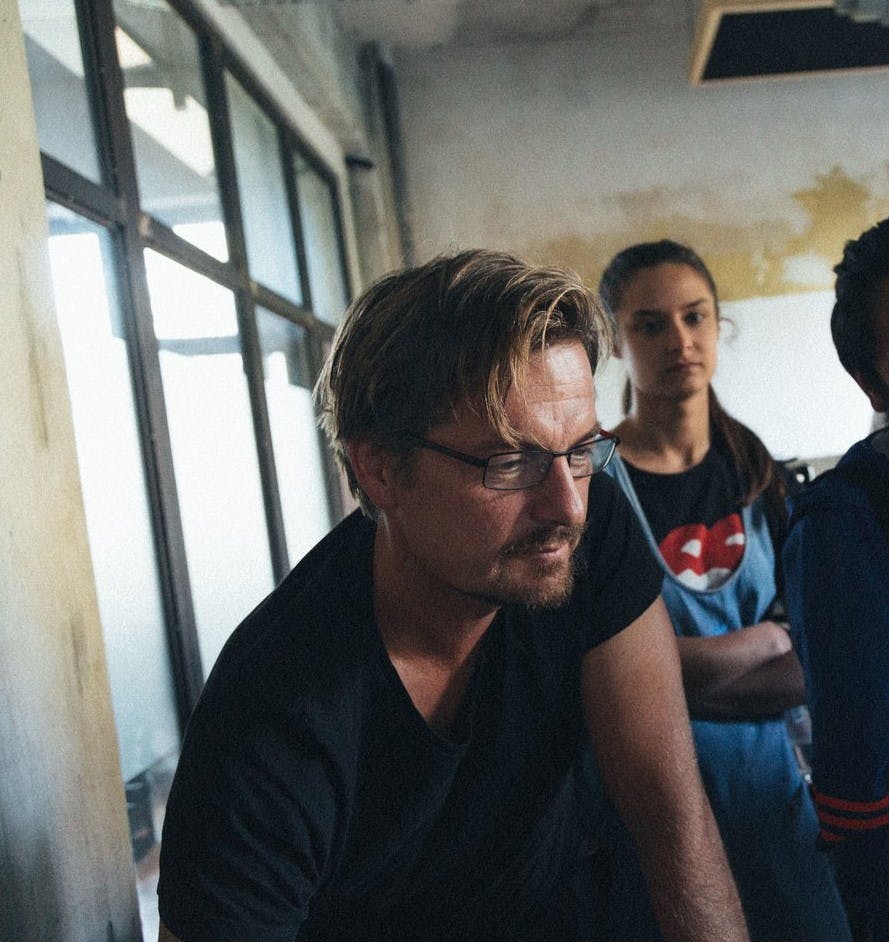
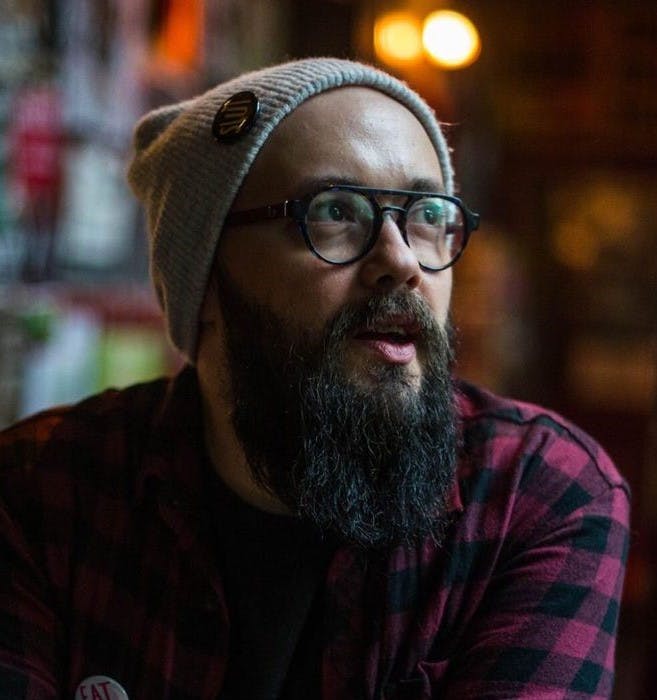
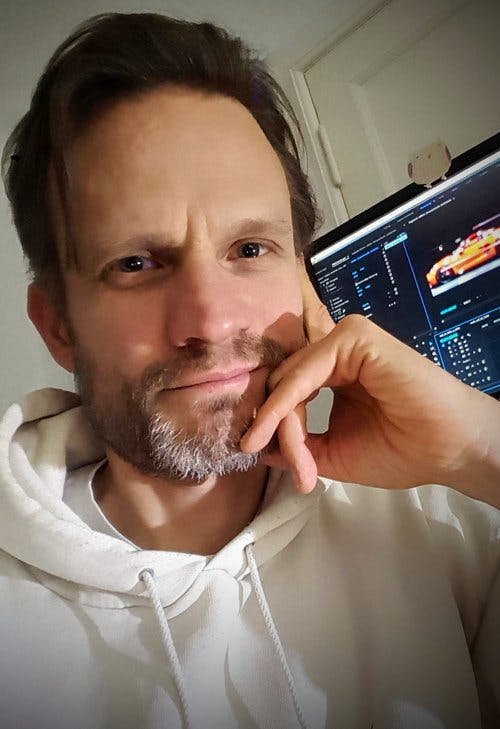
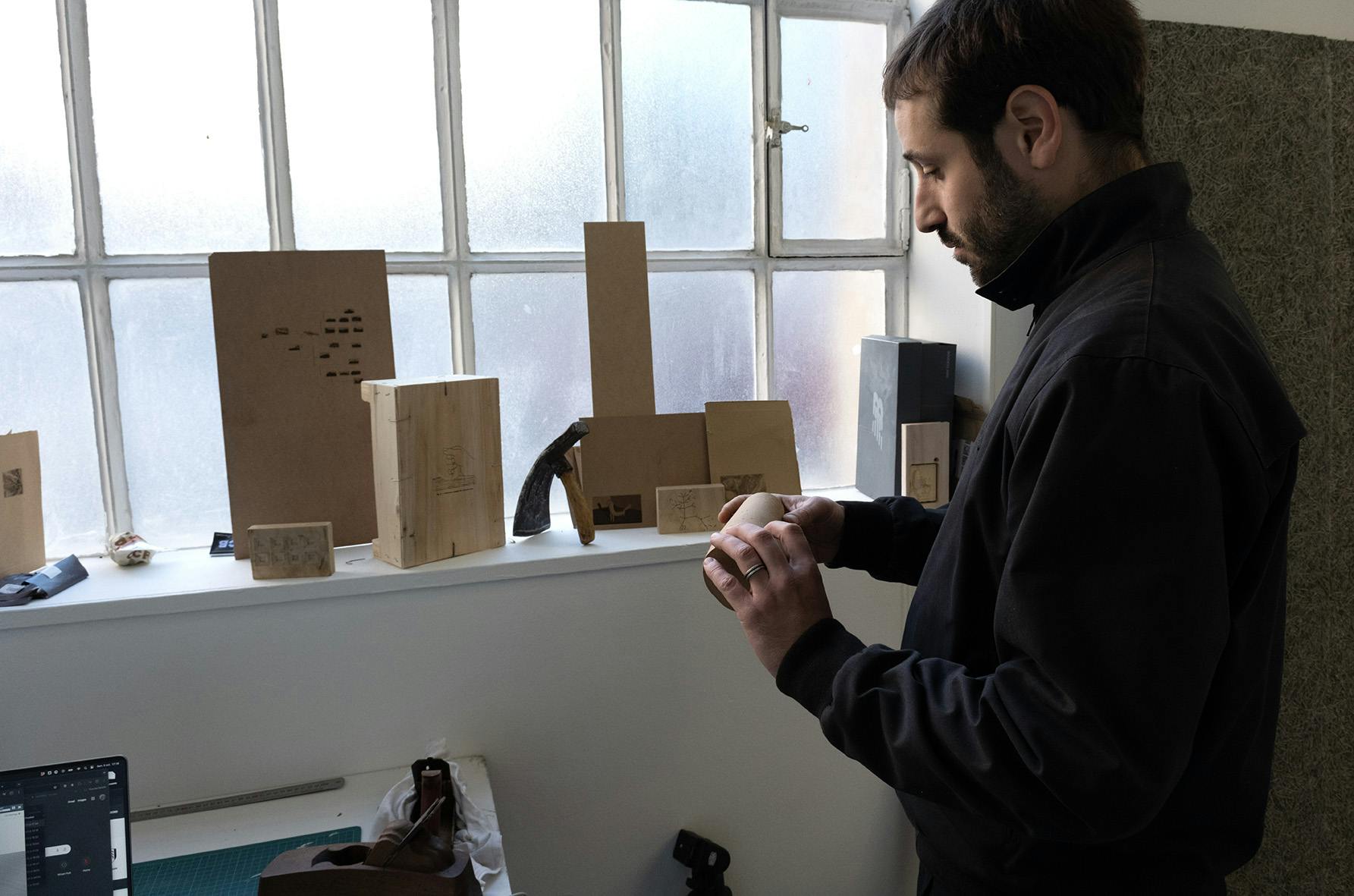
Learn to think critically about the tools you use
Learn with tutors who are working artists making real decisions: when AI-assisted tools speed up your VFX pipeline, when shooting on film serves the documentary better than digital, when practical miniatures create something a render can't, when to build game environments in Unreal versus traditional animation tools.
Your films get scored by music students. Your scripts get workshopped by actors who'll perform them. Your VFX work integrates into collaborative productions. Your documentary photography captures the scenes your peers are creating. Tutors are practicing filmmakers, photographers, VFX artists and writers currently releasing work and navigating the same creative challenges you'll face.
Of course we teach you industry tools like Maya, Touch Designer, Nuke, Unreal Engine, Final Cut, analogue cameras and digital workflows. But we also teach you when to ignore the standard toolkit and try something unexpected. Because creative judgment comes from understanding what serves your vision, not devotion to one approach.

More than just workshops
Submit final-year films to festivals while still enrolled—many do, and many win. Screen work at independent Berlin cinemas. Exhibit documentary photography at galleries. Present VFX and game work at public showcases. Collaborate across every discipline because everyone's on the same campus.
Film students cast actors from next door. Screenwriters see their scripts produced by directors in their cohort. VFX artists collaborate with sound designers on spatial installations. Documentary photographers capture Berlin's underground scenes their music student peers are creating.
Berlinale Film Festival pauses classes and you attend screenings and industry events as part of curriculum. FEST sends students to Portugal. FICX curates sections of Catalyst student work in Spain. Your cohort includes the directors, composers, cinematographers, actors and writers you'll collaborate with for years after graduation. Many of our graduates are still working together, submitting to festivals together, screening worldwide. Those connections start here.

Choose your focus
The future of storytelling isn't one medium. Students here explore narrative cinema and experimental documentaries, VR experiences and interactive game worlds, photojournalism and digital installations, feature scripts and series bibles. You can direct, photograph, write, design, animate, edit or combine roles in ways the industry hasn't named yet.
Documentary photographers document social movements. VFX artists build worlds for games and blockbuster cinema. Screenwriters develop scripts that get produced on campus. Filmmakers shoot experimental shorts and commercial work. Game designers create interactive narratives. All in the same building, all collaborating.
Our tutors are practicing artists who ask questions rather than prescribe answers. They help you discover your approach to visual storytelling, whether you're drawn to photojournalism, narrative film, game design, experimental video art, or something that crosses all of them. Your artistic voice emerges through experimentation and the freedom to fail productively across every available medium and role.

Which film & visual arts programme at Catalyst is for me?
Film Production – Direct, shoot, edit and produce across narrative, documentary and experimental forms. Master the full production pipeline from concept to final cut.
Visual Effects, Video Game & Digital Arts – Create digital worlds through 3D modelling, VFX, animation and game design. From cinema to indie games to interactive installations.
Documentary Photography – Visual storytelling that captures real communities and social movements. Berlin as your subject and your classroom, with work ready for exhibition and publication.
Creative Production (Film) MA – Advanced practice-based research for directors, cinematographers, editors, screenwriters and visual artists pursuing specialisation or passion projects.
Every programme shares the same campus and collaborative ecosystem.
