
Overview
Learn how to create music and sound for experimental games in this intensive four-week short course. This year's theme, City Dwellers, invites you to inhabit and transform urban worlds-where the boundary between game, installation, and film begins to blur.
Rather than building a game from scratch, you'll start with existing materials-visual, structural, conceptual-and remix them into something personal. Every element can be a point of entry: a texture, a sound, a stretch of grass, the rules of physics. What matters is how you bend these ready-made parts into a space that carries your signature.

Course structure
Topics covered
The course unfolds through interconnected themes that approach experimental gaming as a multi-sensory art form - where sound, image and movement shape one another. While many participants come from music or sound backgrounds, the course is designed so that sound can take on real weight and presence within a larger whole - emerging naturally as one of the most compelling parts of the work.
- Reality – Sound walks, tableaux, urban theory
Translate the textures and rhythms of real environments into digital form through sound walks and urban observation. - Sounds – Composition, design and attention
Explore how sound can transform space and experience. Create audio that draws attention and reshapes how people listen and move within a world. - Concept – Theory and design
Engage with ideas from sound studies, media theory and spatial design to build conceptual frameworks that guide your project.
Weekly breakdown
Week 1 – Reality & Foundations
Focus: Listening, context, and creative reuse.
- How gaming technologies are used in art, film, and installation.
- Sound walks and urban listening - collecting textures and rhythms.
- Introduction to pre-built and generative game worlds.
- Asset-hacking basics: modifying visuals, props, and simple logic.
- Composition workshop: first sound palette and musical theme.
- Colloquium 1 – The Expanded Game: engines and interactivity as tools for art and cinema.
- Tutorials: project ideas and scope.
Output: Short City Postcard scene integrating first audio and visual elements.
Week 2 – Systems & Generative Audio
Focus: Adaptive, procedural, and generative design.
- Adaptive music systems - layering, transitions, and states.
- Procedural sound and rule-based playback.
- Generative environments - time, motion, and noise systems.
- Cross-platform workflow (DAW ↔ engine ↔ middleware).
- Composition lab: expanding motifs into dynamic sound packs.
- Colloquium 2 – Systems & Chance: emergence and control in games and media.
- Peer review and feedback.
Output: Prototype with adaptive sound and a working generative system.
Week 3 – Story & Character
Skills gained
Upon successful completion of this course, you will be able to:
- Develop a distinct creative voice in music and sound for experimental games and hybrid art/film projects.
- Understand how game technologies inform contemporary practices in art, film, and installation.
- Work confidently in Godot for real-time audio.
- Design and implement adaptive/procedural sound systems with FMOD.
- Apply generative and rule-based techniques to create evolving soundscapes and musical structures.
- Curate/remix existing assets - visual, sonic, and structural - to build new works without starting from scratch.
- Compose and produce using professional DAWs with primary instruction in Reaper; optional specialised sessions in Ableton Live; students may use their preferred DAW.
Progression
This programme is designed for individuals at various stages of their creative journey:
- Beginners: Gain core skills in sound design, composition, and interactive audio while creating a distinctive portfolio piece.
- Interdisciplinary artists and producers: Expand your practice into the field of experimental games and hybrid audiovisual art, learning to integrate real-time engines, spatial sound, and adaptive music into your projects.
- Current or former MSVM students: Deepen your expertise within a specific medium, while gaining new portfolio work and skill sets.
Graduates will be well-equipped to pursue careers in sound design and adaptive audio for games and interactive media, music production and composition for film, art, and hybrid projects, installation and exhibition sound design, and other technical or creative roles involving spatial or procedural audio. This course also provides a strong foundation for those considering further study or specialisation in the Music & Sound for Visual Media BA or HE Certificate programmes at Catalyst.
Your technological playground
Get hands-on access to cutting-edge facilities and tons of bookable gear.


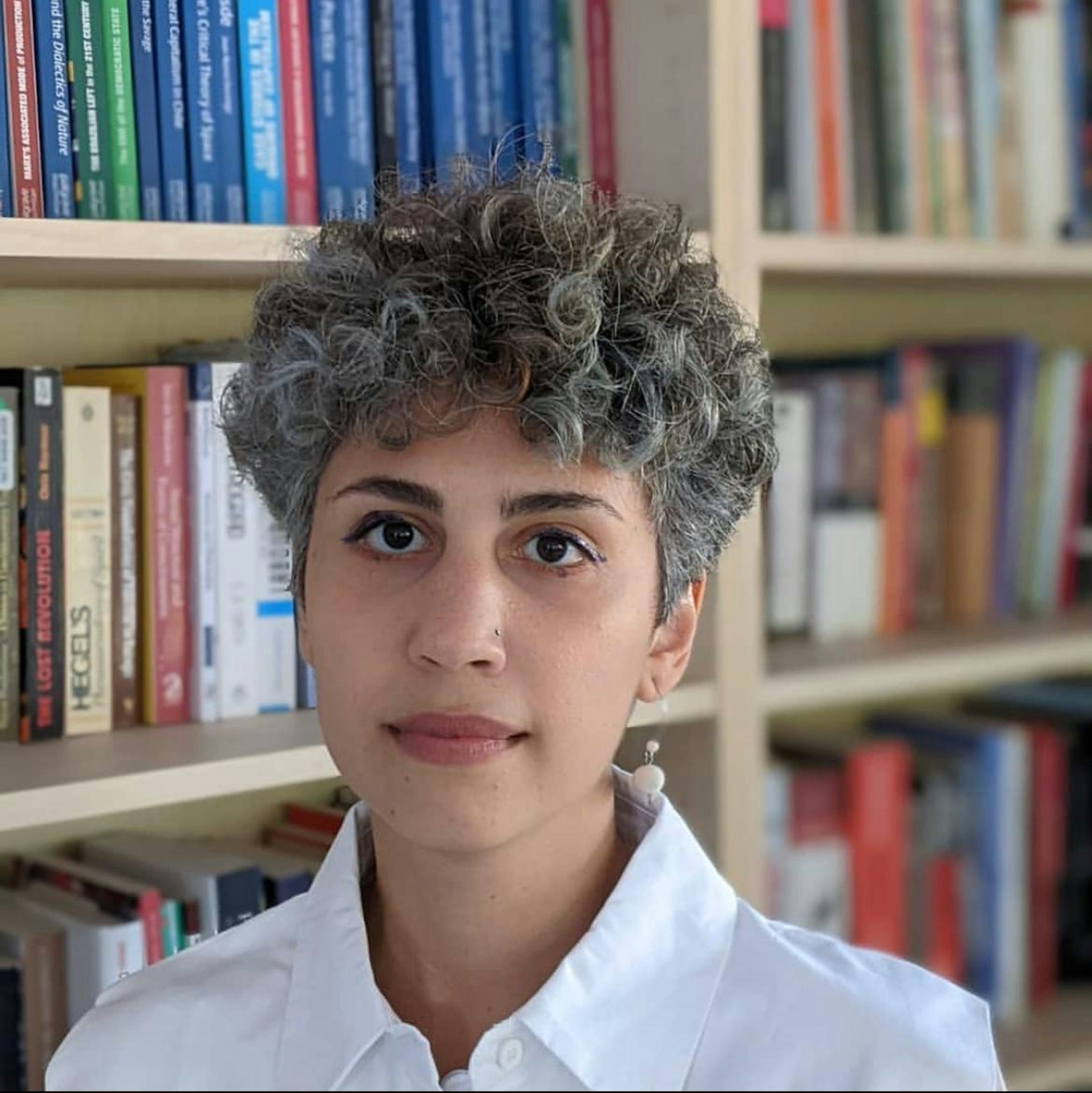
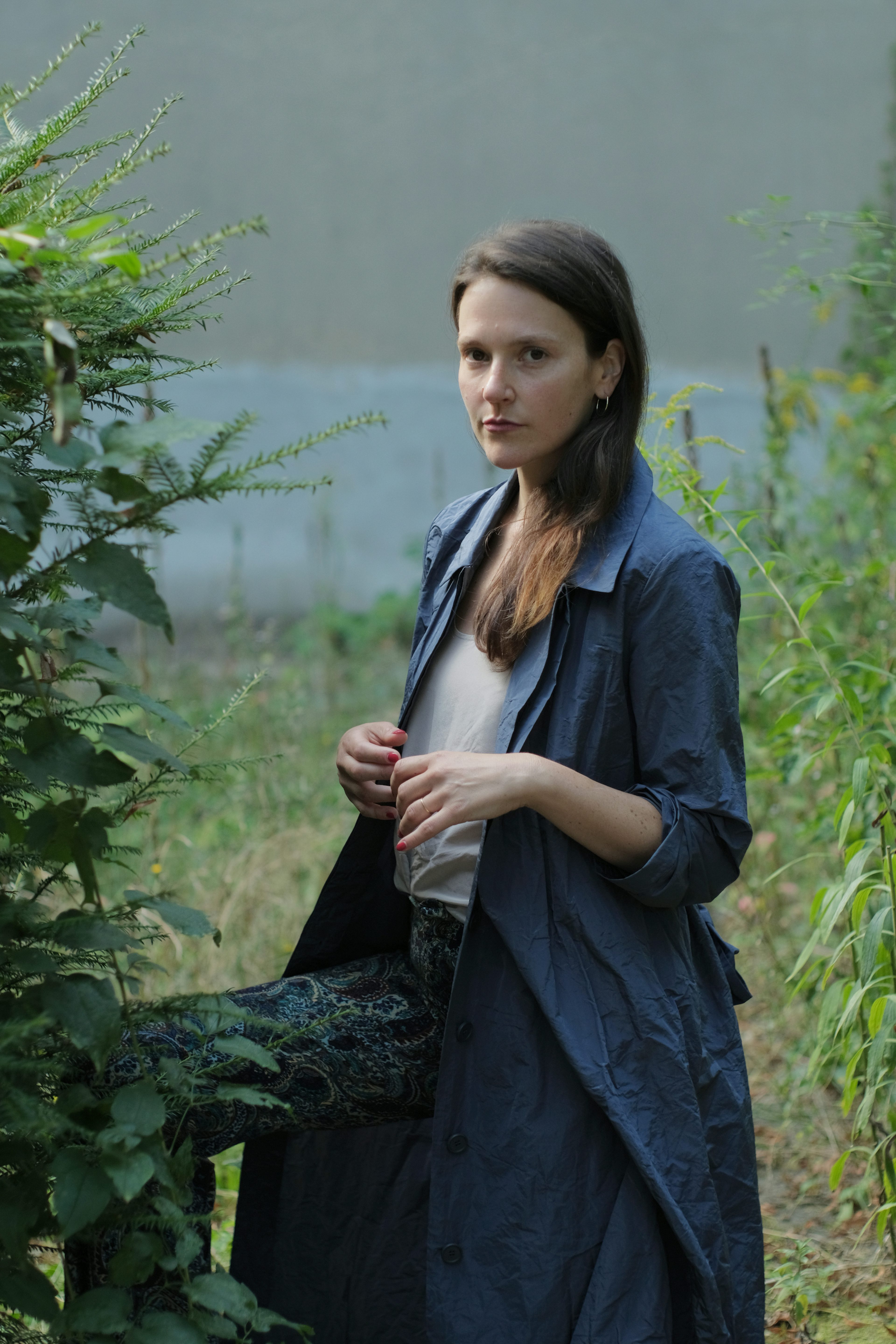
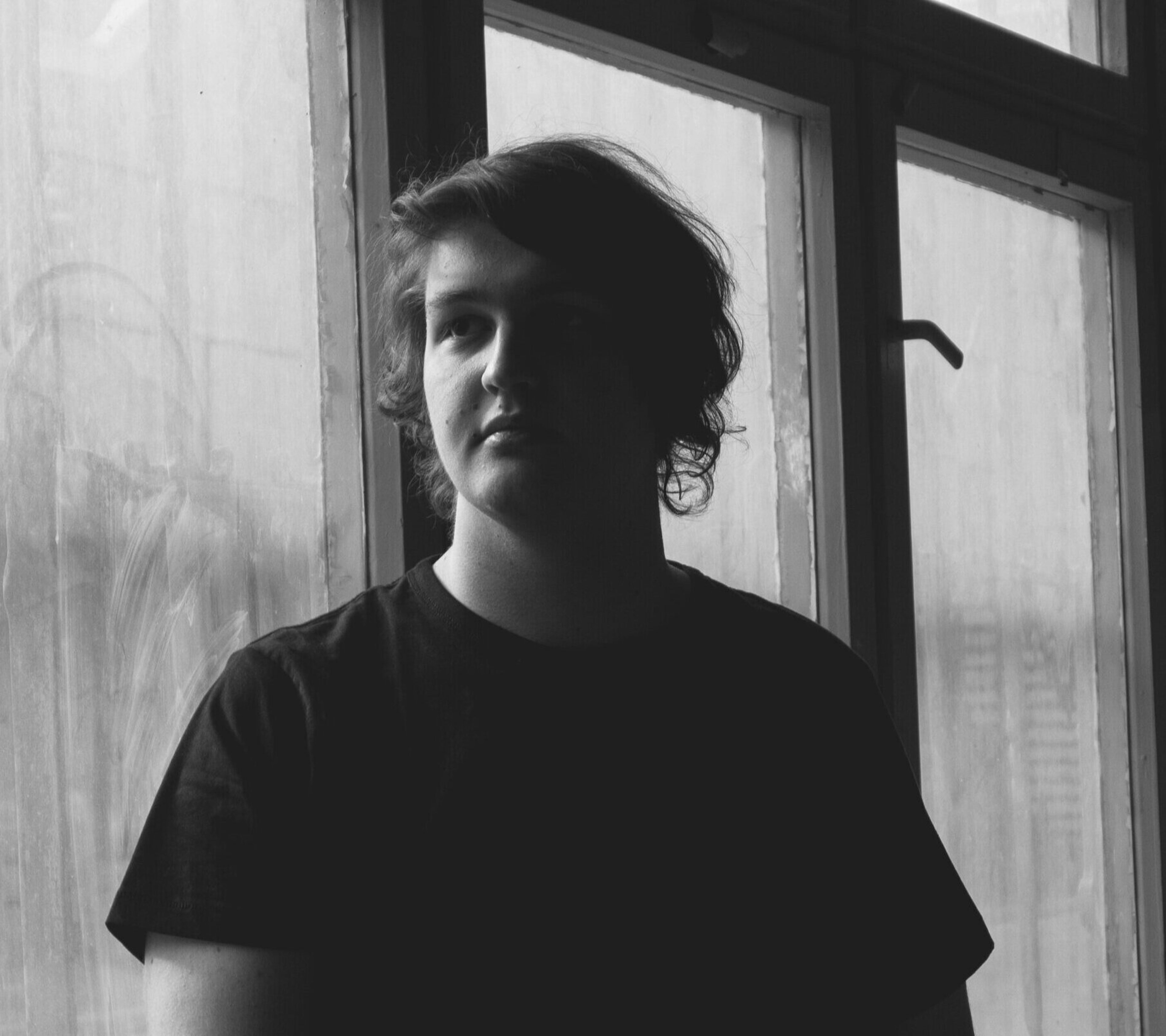
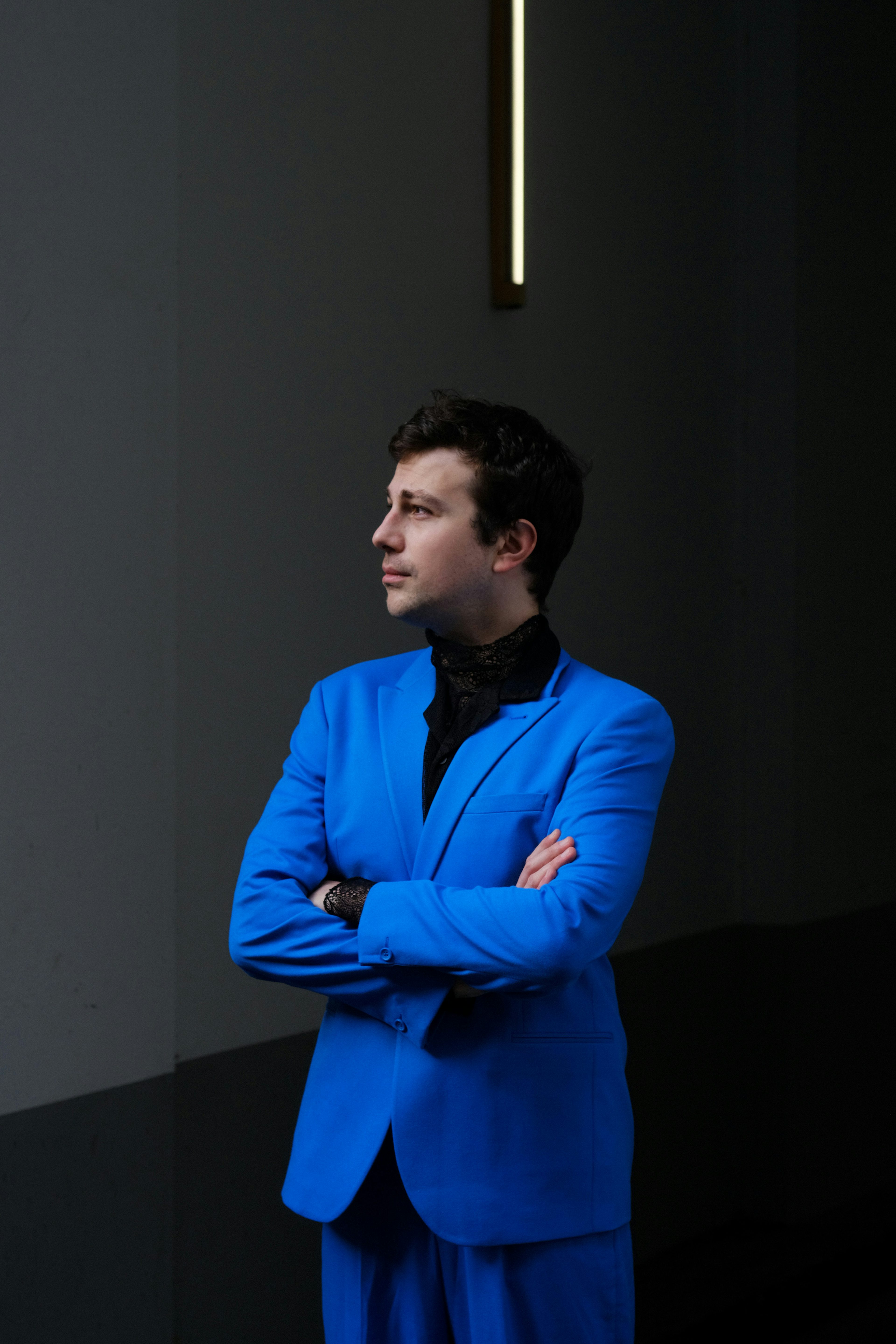
Learn from the experts
Throughout the programme you’ll learn from industry-acclaimed experts in their field, with a passion for passing on their knowledge to others.
Essential information
Tuition fees
Enrolment fee:* €495
Course fee: €2,005
Total: €2,500
Early enrolment bonus: Apply before the 31st of March to receive a €150 discount on your short course.
Multi Course Discount: Enrol in both a Summer Short Course and a degree course with us in the same year, and receive a discount of €500 off the total tuition fee.
*Enrolment fee is non-refundable.
Timetable
We can’t provide an exact timetable until we know how many students will attend the course. However, you will have an average of 16 hours per week of workshops.
Our campus facilities are open for the students to use beyond the timetabled workshop hours. Studios and equipment for continued experimentation and development are bookable from 10:00 until 19:45 during the Short Course term.
Entry requirements
The most important prerequisite for attending this course is that you must be passionate about building and developing your skills within music composition for visual media.
Our Short Courses are designed to be accessible to anyone, so we do not require any level of academic certification to apply. Generally, applicants must be 18 or over when the course begins. If you're coming from outside the EU, a holiday/travel visa will usually suffice.
For more information, please contact a member of the Admissions team. We love to chat! You can reach out to us at:
Email: admissions@catalyst-berlin.com
Phone: book a call
Application deadlines
Applications for 2027 Summer Short Courses open 15 October, 2026.
Apply by 31 March and save 150€.
Final deadline: 21 May, 2027
Courses fill on a first-come, first-served basis. Once full, further applications are waitlisted.

Student work
This is a brand-new short course, but watch and listen to just some of the soundtracks and short films created by students during our Music & Sound Design for Visual Media BA (Hons) / HE Certificate.