Overview
Learn how to turn ideas into powerful stories for film, television and new media. The Screenwriting course at Catalyst combines practical training with creative exploration, guiding you through every stage of the writing process – from developing concepts and building characters to structuring scenes and refining dialogue.
You’ll gain hands-on experience writing across multiple formats and genres, including short and feature films, TV series, animation and interactive media. Working in a collaborative Writers’ Room environment, you’ll develop professional writing habits and explore roles such as story editor, head writer and showrunner.
Collaboration is at the heart of the course. You’ll work with filmmakers, actors and visual media students to see your scripts performed and brought to life on screen, strengthening your understanding of how story connects with performance and production.
By the end of your studies, you’ll graduate with a portfolio of original work, a clear creative identity and a network of peers ready to support your next steps in the industry.
You can study this programme either as a full three-year BA degree or the first year only as a one-year HE Certificate.
Key skills you'll gain
Throughout this course, you’ll build a strong foundation of storytelling, technical and professional skills that prepare you to thrive across film, television, games and emerging media.
- Mastery of story structure, character development and dialogue, enabling you to write scripts that resonate with audiences across genres and formats.
- Confidence in responding to briefs, pitching ideas and collaborating within writers’ rooms and production teams.
- A deep understanding of the creative and technical workflow of screenwriting, from initial concept through to final draft.
- The ability to adapt stories for different media, from film and TV to games, interactive experiences and social platforms.
- A personal writing voice, honed through feedback, critical reflection and the confidence to explore your ideas with independence and authenticity.
“Being able to put my ideas into action and actually possibly make a movie out of them… is just amazing”
– Dimitra Ntogka, Catalyst Student
The future of storytelling
The demand for professional script writers is growing, not only in film and television, but also in sectors such as gaming, social media and advertising. From scene construction to character development, screenwriting specialists are given the challenge of finding innovative ways to build narratives and engage new audiences.
Our brand-new screenwriting programme responds directly to this increasing demand for writers and storytellers across film and media. This could be anything from a short story for social media to a feature film or a multiple-episode format for an on-demand TV series.
“You can go wherever you want, in any world, at any time. You can expand – there’s no limits to it and that’s the beauty of scriptwriting.”
– Naseef Ganadry, Catalyst student
Course structure
Year 1 (HE Certificate)
During the first year, you’ll be introduced to the fundamentals of short format writing and serialised storytelling. Pick up the tools and rules of different areas of writing and collaborate closely with other budding screenwriters.You’ll learn by doing, tackling a large amount of writing exercises and short stories that will kick off your “writer’s portfolio”.
Throughout the year, you’ll gain a professional and creative toolkit that will enable you to:
- Write scripts for a variety of traditional linear formats, including short films, series, music videos and documentaries.
- Write scripts for divergent media, including social media.
- Understand the different roles within a Writers’ Room.
If you choose to enrol for our HE Certificate, you will take just the first year of this programme as a standalone qualification. The one-year HE Certificate course is the same as the first year of the BA programme and you'll be learning alongside the BA students throughout the year. You have the option of progressing into the second year of our BA programme after successfully completing the HE Certificate, subject to results and availability of places.
Year 2 (BA)
Building upon Year 1’s fundamentals of short script writing, Year 2 dives deep into longer format writing and serialised storytelling. You’ll learn a range of approaches and roles by crafting a feature film script individually, a TV show script within a team and the art of editing scripts and supervising. This second year will allow you to build a solid foundation for specialised subjects requiring advanced research, critical thought and writing skills. You will also be introduced to interactive storytelling and writing for video games.
The course content in your second year will focus on:
- Writing a feature length or documentary feature script.
- How to write a TV Series Bible, an essential tool for episodic writing.
- Creating a script for a pilot episode.
- Interactive storytelling techniques, such as in video games.
- Developing critical thought and analysis within scriptwriting.
Year 3 (BA)
During this third and final year, you will have the opportunity to define and express your creative voice through a major and minor project.
By the end of this 3-year Screenwriting BA course, you will have:
- Learned how to create narratives and developed suitable writing skills for different media formats.
- Learned how to engage viewers across arcs, episodes, seasons or in open worlds.
- Acquired the ideation tools and techniques needed to generate new stories and develop those ideas further into concepts, outlines, treatments and scripts.
- Developed the teamwork and collaboration skills to work effectively in a Writers' Room or other group environment.
- Learned how to process criticism and feedback within a team setting.
- Developed the skills of a showrunner.
Is the Screenwriting programme for me?
This course is for you if:
- You’re fascinated by stories and how they move people.
- You want to develop the skills to turn ideas into powerful scripts for film, TV or digital media.
- You’re curious about character, structure and dialogue — and how they shape emotion and meaning.
- You enjoy crafting worlds, voices and moments that feel real and alive.
- You’re open to feedback, rewriting and collaboration as part of your creative growth.
- You see writing as both a craft and a calling — a way to share your perspective and connect with audiences through story.
Progression & Careers
As a graduate, you’ll be ready to turn ideas into stories that connect with audiences across screens and platforms. You could work as:
- A screenwriter for film, television or streaming series
- A story editor, script consultant or development producer
- A narrative designer for games, XR and interactive media
- A writer for branded content, advertising or social campaigns
- A playwright or creative writer developing original works for stage or digital media
You’ll be prepared to collaborate with filmmakers, producers, actors and animators in professional writers’ rooms and creative studios. The skills you develop in storytelling, structure and character design will also serve you in a wide range of creative industries – from entertainment and journalism to emerging digital media.
Whether you choose to join a writing team, pitch your own projects or pursue further study, you’ll graduate with the confidence and craft to shape stories that inspire, challenge and move audiences.
A future-proof creative toolkit
Developing your screenwriting practice means more than mastering plot and dialogue. You’ll gain:
- Practical experience writing for film, television and emerging digital formats
- A deep understanding of story structure, character development and narrative pacing
- The ability to collaborate effectively within writers’ rooms and cross-disciplinary creative teams
- Critical and reflective skills to analyse your work and refine your creative voice
- The confidence to pitch, edit and adapt your ideas for different audiences and platforms
These creative, analytical and professional skills form a toolkit that will serve you across storytelling industries – from film and television to gaming, podcasts and immersive media – helping you stay adaptable and expressive in an ever-changing creative landscape.
Creative futures, real-world skills
Success means different things for different creatives – whether it’s completing a powerful project, building an audience or making a living from your art. Alongside your main studies, you’ll have access to extra opportunities for growth, such as our Self-Development & Creative Leadership course – designed to help you build clarity, confidence and creative momentum.
You’ll explore how to take action, lead projects, communicate your vision and overcome personal blocks. And beyond that, you’ll find wellbeing resources and personalised support to help you stay grounded and thrive – in your practice and beyond.
Ways to connect
Whether in person or online, we can't wait to meet you!
Learn from the experts
Throughout the programme you’ll learn from industry-acclaimed experts in their field, with a passion for passing on their knowledge to others.
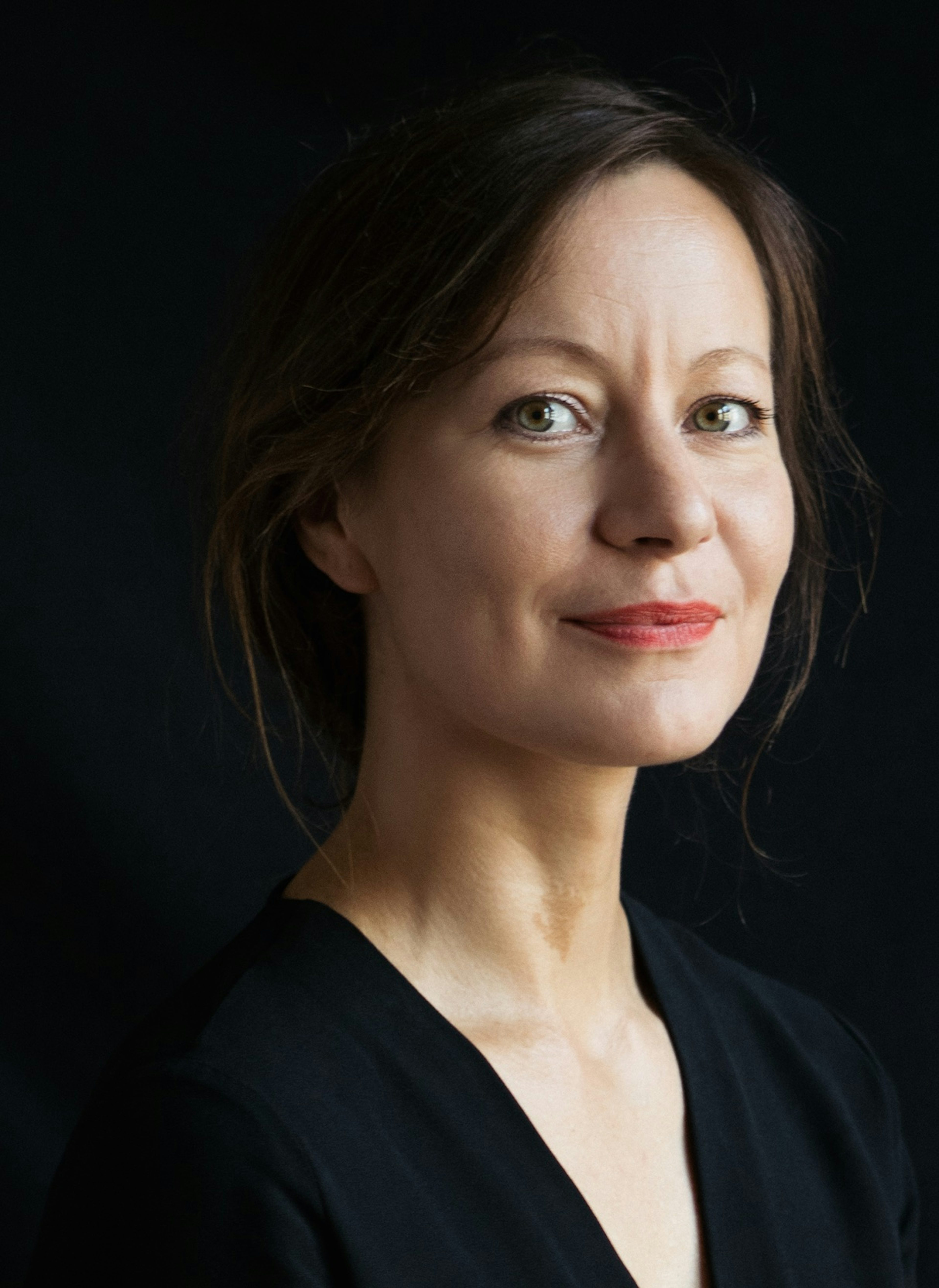
Your Programme Lead
Beliban zu Stolberg was born in Hamburg in 1993 and grew up in Husum on the North Sea coast as the child of a German mother and a Kurdish father. Her debut novel ZWEISTROMLAND was published by Kanon Verlag in summer 2023, and has received critical acclaim.
Admissions
Entry requirements
All applicants will be asked to provide: personal and educational information, documentation of their education experience, a portfolio, and a personal introduction (which can be submitted as a written statement of motivation or a video/audio clip). Visit our How To Apply page for more detail.
MINIMUM ENTRY REQUIREMENTS
- Standard entry: graduation from high school at a level which would normally permit entry to university in the country where it was gained. This would be A-Levels in the UK and the Abitur in Germany, for example.
- Non-standard entry: We recognise that not all education happens in the classroom and it may be possible to admit you through a non-standard access route. If you do not possess the required formal qualification, but have acquired relevant professional or life experience, please contact our Admissions team.
- Language: The language of instruction in all our courses is English and applicants must demonstrate a level equal to IELTS 6 (equivalent to B2 in Germany and other EU countries). You can either submit a language certificate or can take our free 90 min online test.
For more information, please contact our Admissions team and we’d be happy to discuss your opportunities to come study with us.
Course dates and application deadlines
Course start: Mid-September 2026
Applications open: Mid-October 2025
Application deadlines
Visa-required applicants
Applicants from countries requiring a visa before entering Germany:
- Priority deadline: 28 February 2026 (includes early enrolment bonus and visa support)
- General deadline: 30 April 2026 (subject to visa processing time)
EU/visa-exempt or post-arrival applicants:
Applicants from EU/EEA, Switzerland, or countries allowing visa-free entry (e.g. USA, Canada, Japan, South Korea):
- Priority deadline: 31 March 2026 (includes early enrolment bonus & guaranteed spot)
- General deadline: 5 June 2026
- Late applications: Until 28 August 2026 (subject to availability)
Priority deadlines & early enrolment bonus
Apply by the priority deadline to secure your place and receive a €3,000 discount on your total tuition.
Early enrolment gives you early access to our visa support service and allows us to plan group sizes and resources in advance.
What does “visa” or “visa-exempt” mean?
- Visa-required: If you require a visa before entering Germany (e.g. citizens of India, Brazil, Mexico, China, Turkey), you must apply at a German embassy before arrival. Our Visa Support Service (included in the enrolment fee) supports you with paperwork, appointments and timelines. Visa processing can take 3–6 months, so early application is essential.
- Post-arrival visa: If you're from a country that allows visa-free entry (e.g. USA, Canada, Japan, South Korea), you can enter Germany without a visa and apply for your student residence permit after arrival.
- Visa-exempt (EU/EEA/Switzerland): If you're a citizen of the EU, EEA or Switzerland, you don't need a visa or residence permit to study in Germany.
You can check your visa requirements here.
Tuition fees - from €5,528 per semester
Payment options*
- Per semester: €5,528
- Annual payment: €10,723 per year (3% discount)
- Flexible plans: Monthly and extended payment options available
- Upfront discount: Save 8% on total tuition when paying in full
- For detailed payment plans please download the course guide
*Enrolment fee: €895 per study year (non-refundable, due before each academic year begins). Visa support is included as part of the enrolment fee.
Scholarships & financial support
- Eligible for BAföG and other national funding schemes you can check here.
- €6,000 scholarships available – applied across all three years (€2,000/year)
- With scholarships and extended payment plans, tuition can be reduced to as low as €670/month, spread across four years (including one year post-graduation)
Early enrolment bonus - apply early to save €3,000 off your total tuition
Early enrolment secures your place, helps us plan group sizes and facilities, and gives you more time to prepare for your move to Berlin. You’ll benefit from a €1,000 tuition reduction each year.
- Visa-required students: Apply by 28 February 2026
- EU & visa-exempt students: Apply by 31 March 2026
Note: early enrolment bonuses cannot be combined with scholarships.
Multiple-course bonus:
If you decide to enrol in both a 4-week Summer Short Course and a degree course with us in within two years, you will receive a discount of 500€ on the total tuition.
Funding opportunities
As an officially accredited higher education institute based in Berlin, Catalyst offers access to a range of national funding opportunities for eligible students, such as BAföG.
Visit our funding guide to explore the most common options available to our students, both in Germany and across Europe.
Open days, Q&As and taster workshops
Get a feel for Catalyst and our courses at a range of both online and in-person events. Join us at a Virtual Open Day or an Open Day at our campus in Berlin, chat to our programme leads at Meet The Tutor, or try a taster workshop.
Funding opportunities
As an officially accredited higher education institute based in Berlin, Catalyst offers access to a range of national funding opportunities for eligible students, including BAföG and other public financial aid schemes available across Germany and the EU.
In addition to public funding, Catalyst offers a variety of scholarships designed to support diversity, equity, and access in the creative arts. These include:
- General and school-specific scholarships across all Bachelor's and Master's programmes
- Up to €6,000 in tuition support for Bachelor’s students (spread over three years)
- Relocation support scholarships for international students moving to Berlin
To learn more about these opportunities and how to apply, visit our full Funding Your Studies guide.
Scholarships
1. Global stories & cultural perspectives scholarship
For screenwriters from diasporic, non-Western or otherwise underrepresented cultural backgrounds who write stories not typically seen in mainstream media.
Who it’s for
Applicants whose lived experiences, heritage or cultural identity shape their writing – including those from the Global Majority (BIPOC), migration backgrounds or marginalised communities.
Eligibility criteria
- Self-identification with a community or cultural background underrepresented in film and media
- A commitment to telling stories from, with or about these communities
- Experience or interest in disrupting conventional screen narratives through cultural perspective
2. Equity in film & visual media
For writers exploring identity, community and systems of power, particularly from perspectives often left out of the mainstream. It supports those navigating structural barriers as they build a path in screenwriting.
Who it’s for
Applicants who identify with one or more underrepresented communities, including Queer and LGBTQIA+ individuals, FLINTA*, BIPOC, mature or career-switching creatives, and those navigating intersectional barriers related to race, gender, class, disability or migration.
Eligibility criteria
- Self-identification with a structurally excluded or marginalised group
- A creative focus on identity, representation, community or social issues
- Demonstrated engagement with storytelling, media-making or activism from a personal or political perspective
3. Social justice & documentary storytelling scholarship
For writers using documentary, hybrid or narrative forms to investigate displacement, climate, borders or social inequality, particularly through long-form or community-based approaches.
Who it’s for
Screenwriters committed to socially engaged storytelling, including those with lived experience of migration, rural marginalisation or working-class contexts.
Eligibility criteria
- Projects or themes focused on displacement, justice, ecology or identity
- Demonstrated interest in documentary, hybrid or activist storytelling
- A personal or political motivation to explore urgent global or local issues through writing
4. Narrative reinvention scholarship (career switchers)
For applicants moving from another field into screenwriting, bringing new perspectives, transferable skills and life experience to story development.
Who it’s for
Those with prior study or work experience in another industry now seeking a creative path in the screen arts.
Eligibility criteria
- Prior degree or substantial career experience outside the screen industries
- Demonstrated interest in storytelling for film or media
- A reflective approach to shifting careers and building creative authorship, plus motivation to challenge dominant perspectives through lived experience
Behind the scenes
Stories from our creative community