Overview
Ready to take your mixes to the next level? Whether you’re a producer, songwriter, engineer or dedicated hobbyist, this four-week course guides you from first listen to final polish - helping you create mixes and masters that don’t just sound good, but feel good. If you already understand the basics of electronic music production but struggle to achieve the depth, clarity or warmth of a professional release, you’re exactly where you need to be.
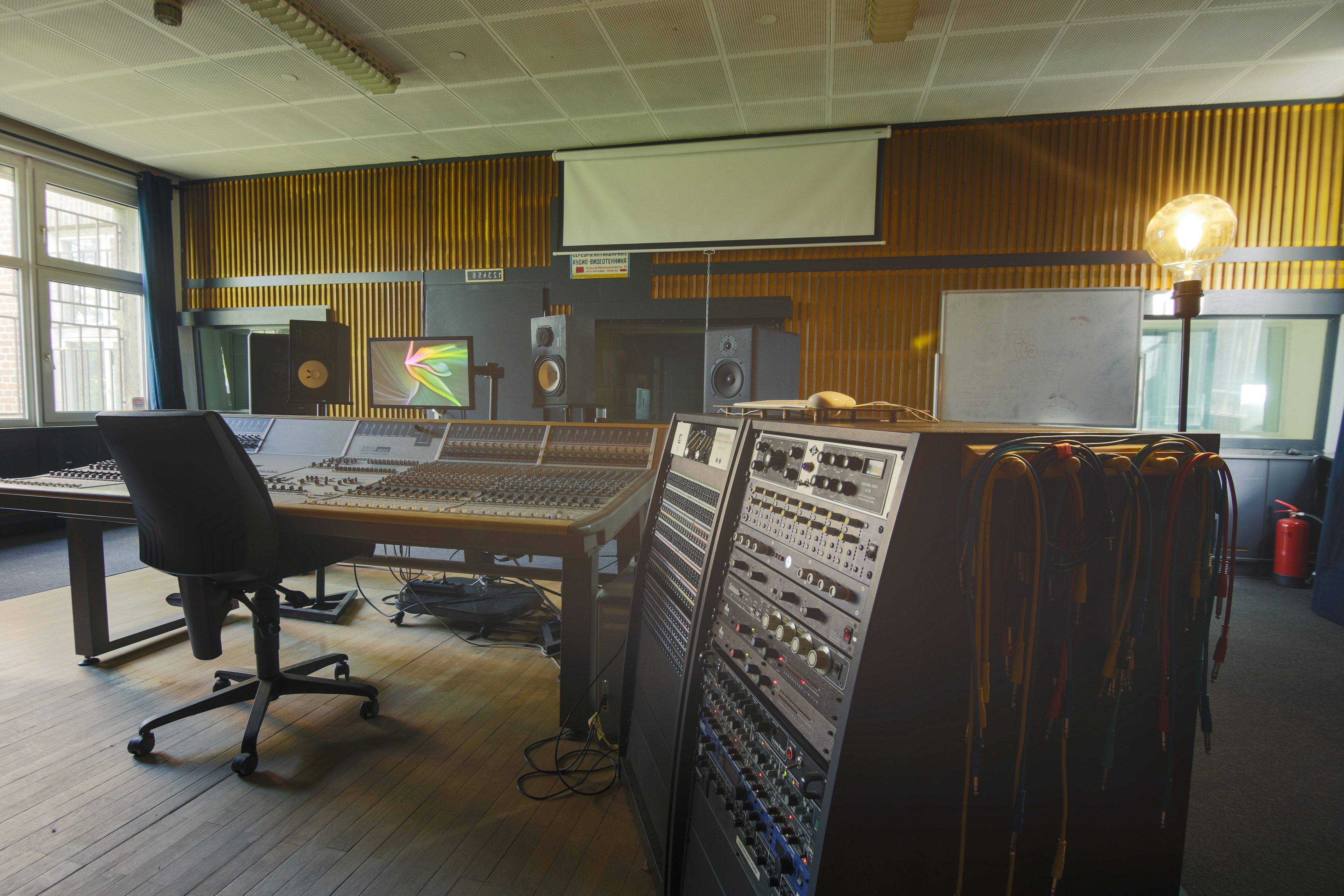
Across hands-on sessions with experienced tutors, collaboration with fellow musicians and plenty of studio time experimenting with both hardware and software, you’ll develop the critical listening skills needed to pinpoint what your mix is missing - and the technical and creative know-how to take it where it needs to go. You’ll dive into mix analysis, balance, spatial placement, EQ, dynamics, tonal shaping, and the philosophies behind different mixing approaches, all while building confidence inside Pro Tools and working with analogue and digital outboard tools.
As you move into mastering, you’ll explore metering, signal chains, standards and formats, learning how to bring cohesion, impact and final polish to your work. Throughout the course, you’ll gain a deeper understanding of workflows, studio environments and the mindset required to problem-solve, refine and elevate your sound - whether you’re working from a home setup or a fully equipped studio.
“Catalyst stood out as the right choice for me out of many good short course options around the world. In a world overflowing with information, Catalyst provided me with clear and valuable insights, empowering me to rely on my own instincts in a way that I hadn‘t before.”
– Guðmundur Óðinsson, Mixing & Mastering Electronic Music alumnus
Course structure
Topics covered
The course will explore:
- Mix analysis, preparation and workflow
- Listening skills, mix approaches and philosophies
- Mixing and mastering environments
- Pro Tools operation and workflow
- Balance, panning and spatial placement
- EQ techniques: surgical, subtractive and additive
- Dynamics processing: surgical, parallel, multiband and combined
- Creating space, depth and tonal shaping
- Routing, patchbays and analogue/digital outboard
- Master bus processing and finalisation
- Mastering philosophy, tools and chains
- Sonic analysis, metering, standards and formats
- Studio setups and equipment considerations
Weekly breakdown
Week 1 – Mixing introduction and workflow
- Artful unbalancing and the power of volume.
- ‘Mixing is subjective’ and investigating how balance affects a piece of music.
- Building an efficient mix template.
- Routing, gain staging and signal flow.
- How to use an analog mixing console.
- What defines a good master?
Week 2 – EQ and tone
- Lo-Fi vs Hi-Fi aesthetics.
- Ear training and using reference tracks for EQ.
- Channel and group EQ techniques.
- Surgical vs Broad EQ application.
- Developing an efficient EQ workflow.
- Mastering EQ strategies.
Week 3 – Dynamics and saturation
- Understand how loudness affects a mix.
- How to hear compression and its emotional value.
- Styles of compressors and where they should be used.
- How compression is used at various stages of a mix.
- Implementing saturation and clipping.
- Mastering compression techniques.
Week 4 – Dimension
- Creative use of dimension in mixing.
- Modulation and creating movement.
- Exploring various styles of reverb and delay.
- Stereo placement and creating space in the mix.
- Finalising a master.
In Week 4, students will complete a full mixing and mastering project, transforming a raw multitrack session into a fully mastered track. This project will be presented for feedback.
Skills gained
Upon successful completion of this course, you will be able to:
- Understand and apply the principles of mixing and mastering.
- Develop a set of valuable listening skills.
- Understand the basics of analog mixing consoles, routing and patchbays.
- Approach mixing from a creative mindset.
- Understand and apply the principles of EQ, compression, saturation, reverb, delay and modulation effects and gain staging.
- Establish an efficient workflow.
- Understand the principles of the stereo field.
- Know how to process audio with various hardware equipment and software plugins.
- Define and apply your own subjective decision making process to audio material.
- Master and finalise material effectively.
Progression
Whether you want to dive deep into hands-on practice with professional studio gear and connect with a community of like-minded creatives, or you’re preparing to advance to one of our longer HE Certificate, BA or MA programmes and need practical experience, this short course is your springboard to mastering the art of mixing and mastering.
You will develop and receive feedback on projects that will help you sharpen skills relevant to professional roles such as: mastering engineer, mixing engineer, studio engineer, music producer, post-production sound engineer (for film/TV) and broadcast sound engineer. These positions all make use of both the technical proficiency and creative problem-solving developed throughout the course.

Your technological playground
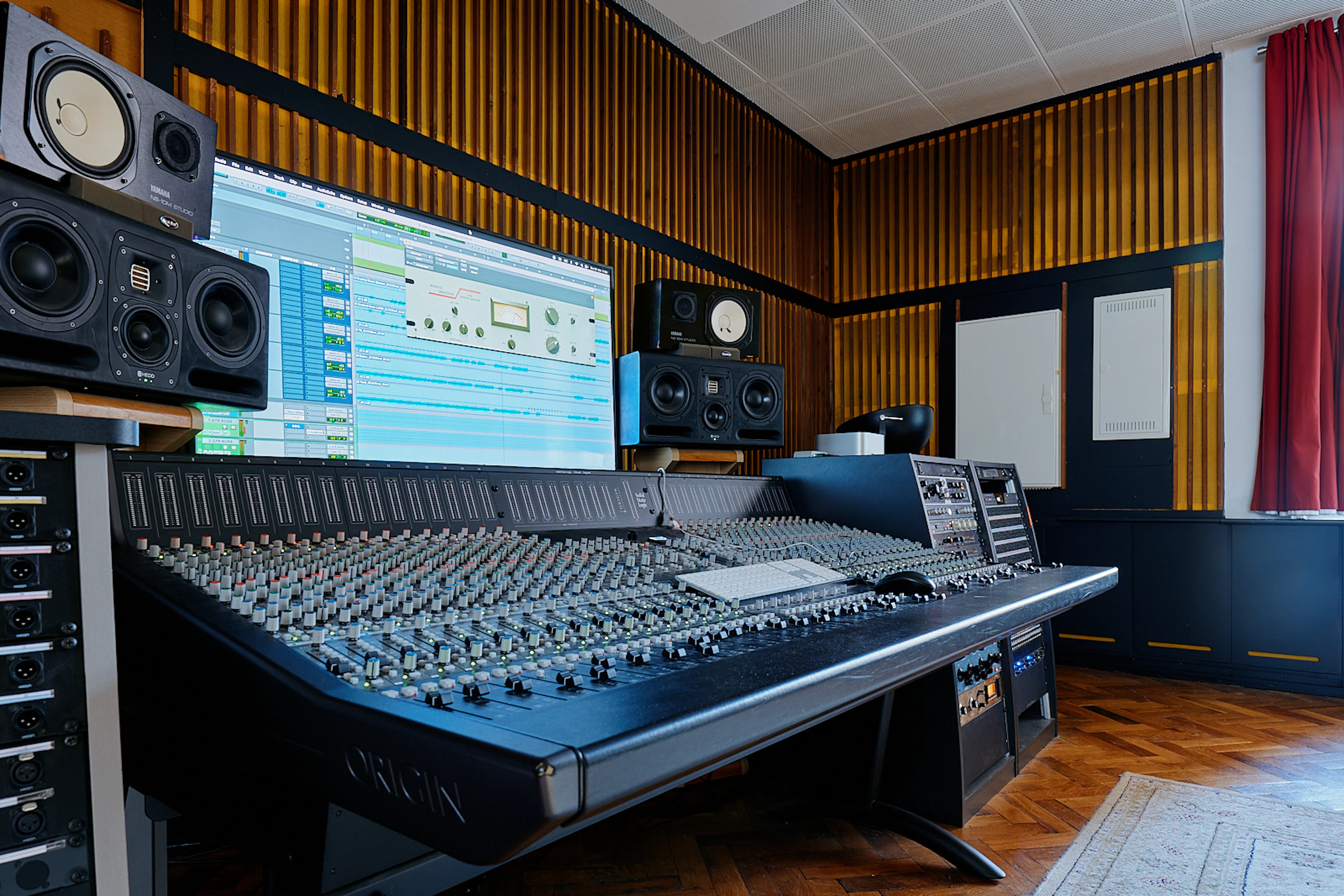
Get hands-on access to cutting-edge facilities and tons of bookable gear



Learn from the experts
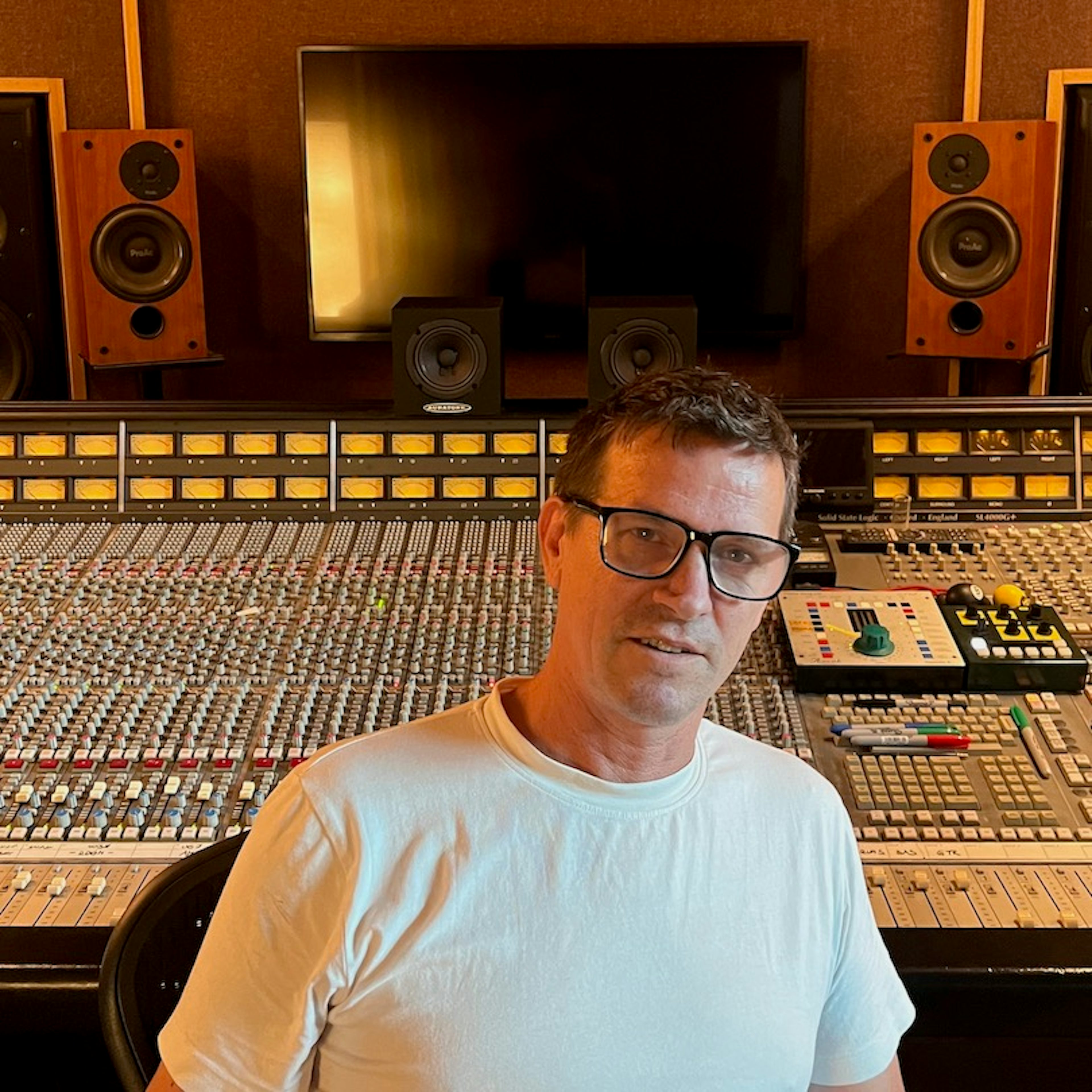
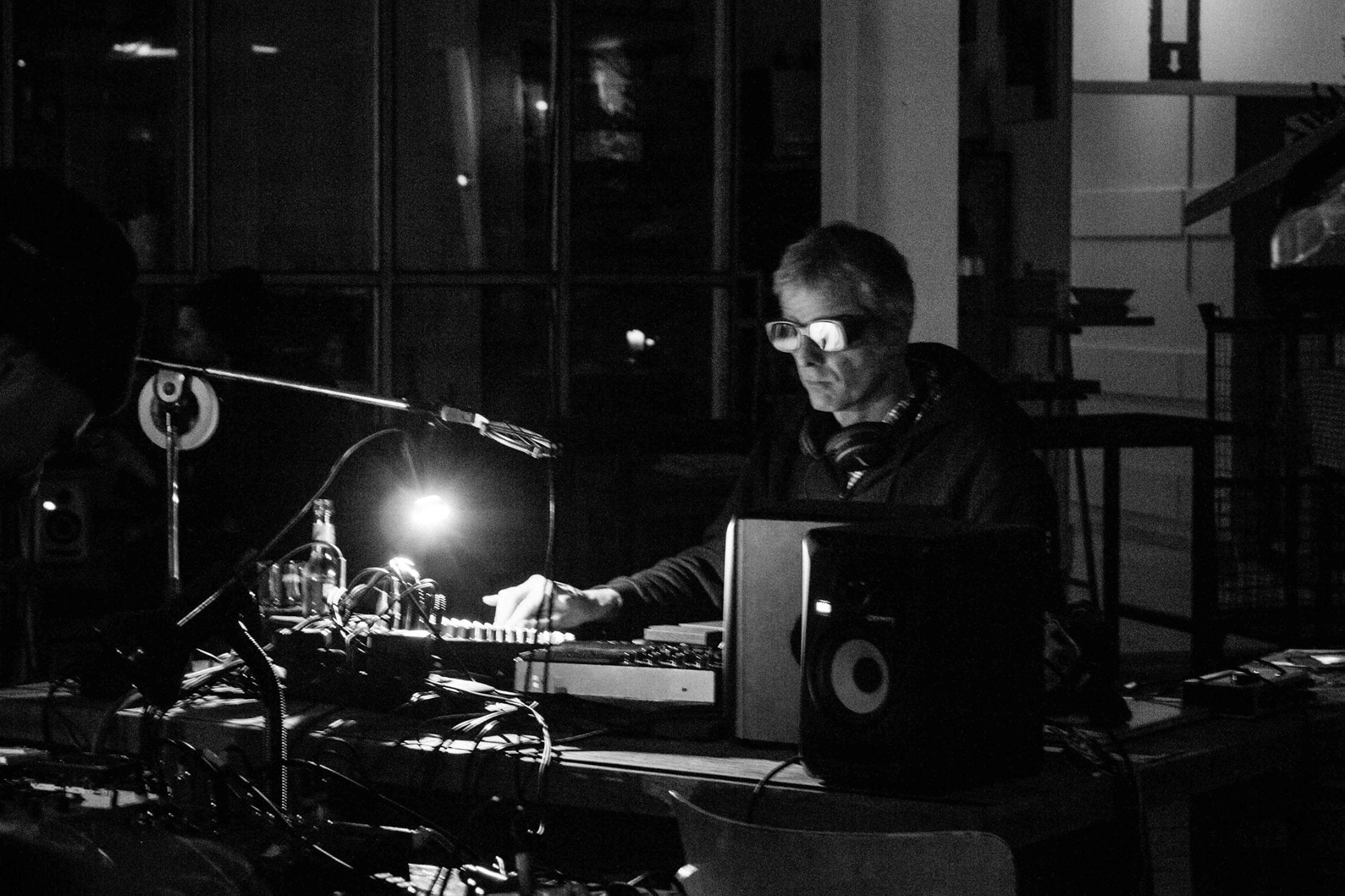
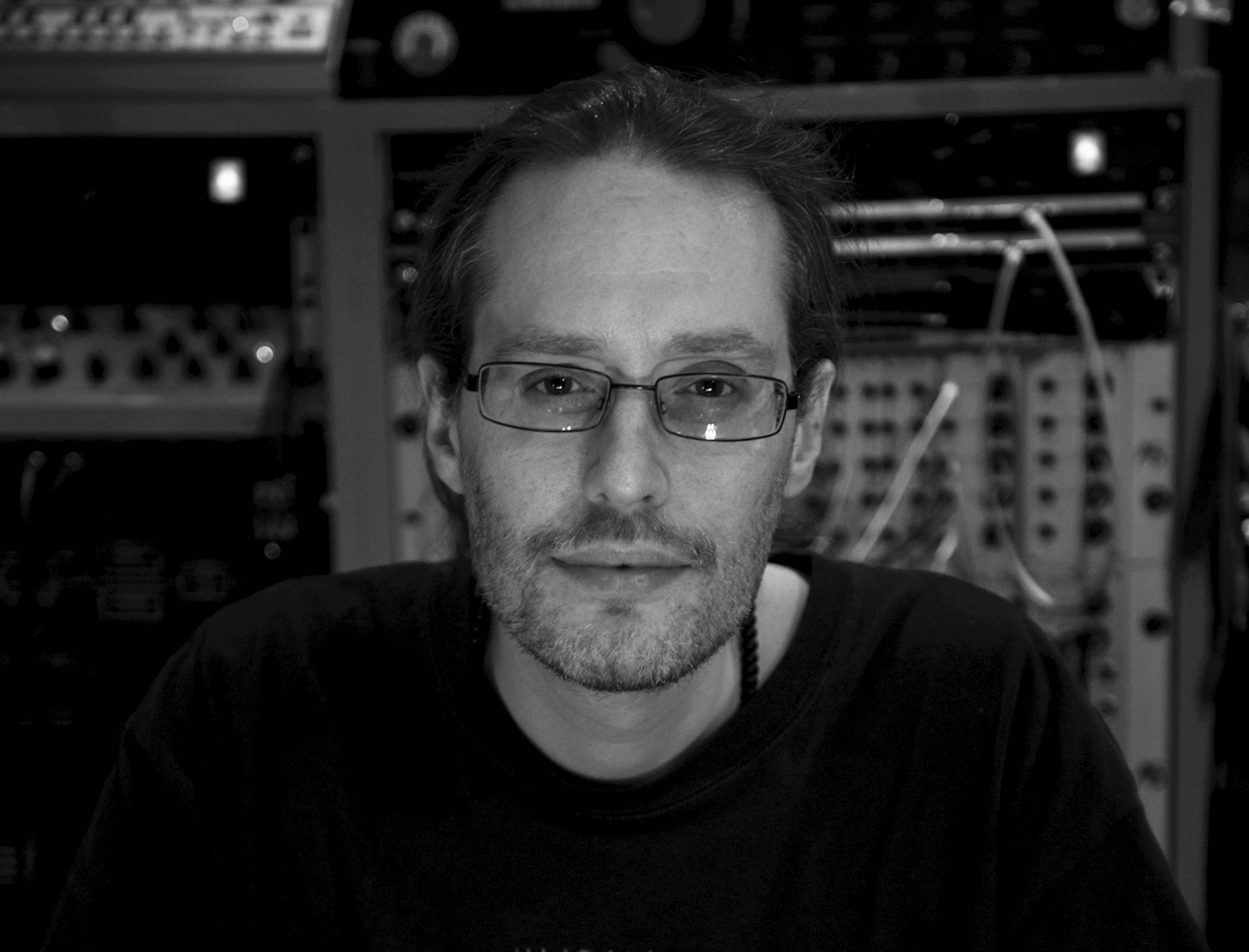
Throughout the programme you’ll learn from industry-acclaimed experts in their field, with a passion for passing on their knowledge to others.
Essential information
Tuition fees
Enrolment fee:* €495
Course fee: €2,005
Total: €2,500
Early enrolment bonus: Apply before the 31st of March to receive a €150 discount on your short course.
Multi Course Discount: Enrol in both a Summer Short Course and a degree course with us in the same year, and receive a discount of €500 off the total tuition fee.
*Enrolment fee is non-refundable.
Timetable
We can’t provide an exact timetable until we know how many students will attend the course. However, you will have an average of 16 hours per week of workshops. Alongside this, you will have some technical inductions and timetabled opportunities for collaboration with students from other programmes.
Our campus facilities are open for the students to use beyond the timetabled workshop hours. Live audio recording studios, production suites and mixing suites are bookable from 10:00 until 19:45 during the Short Course term. Each student has 3 hours per week of bookable time, as well as ad-hoc bookings depending on availability of the facilities.
Entry requirements
The most important prerequisite for attending this course is that you must be passionate about building and developing your skills within mixing, mastering and studio practice.
Our Short Courses are designed to be accessible to anyone, so we do not require any level of academic certification to apply. Generally, applicants must be 18 or over when the course begins. If you're coming from outside the EU, a holiday/travel visa will usually suffice.
For more information, please contact a member of the Admissions team. We love to chat! You can reach out to us at:
Email: admissions@catalyst-berlin.com
Phone: +49 30 2900 9052
Application deadlines
Applications for 2027 Summer Short Courses open 15 October, 2026.
Apply by 31 March and save 150€.
Final deadline: 21 May, 2027
Courses fill on a first-come, first-served basis. Once full, further applications are waitlisted.
Student work
Have a listen to some of the tracks created by our previous students during this course.