Overview
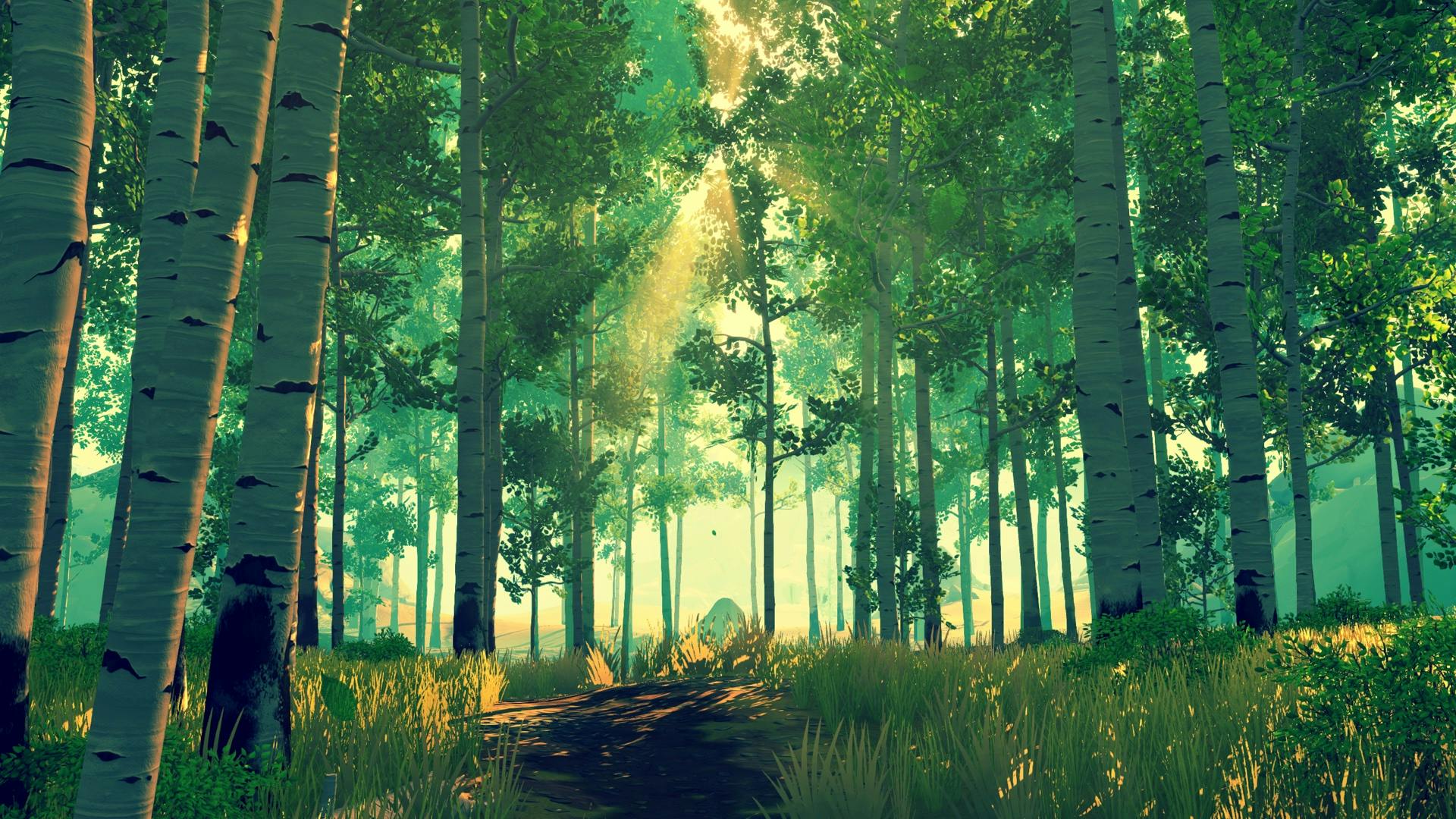
This four-week introduction to motion graphics teaches you how graphic design, typography, image and movement combine to communicate on screen, so that by the end you can take a short motion piece from first idea to finished animation on your own. This edition focuses on movement as a tool for visual communication: how a static design develops through time, rhythm and animation.
You will work through a series of short exercises before building a final project, experimenting with animated typography, graphic elements, images and transitions in After Effects. A typical day combines visual references and demonstrations with practical exercises, guided studio time and feedback. The emphasis is on making and trying things rather than spending days on theory, so you will finish with a piece you can put into a portfolio, share online or show to peers.
Motion is now a large part of visual communication across social media, branding, advertising, film, digital products and online content, and knowing how a design behaves over time changes what you can offer as a designer. The course is introductory and assumes no previous motion graphics or animation experience. You can arrive without an animation portfolio or specialist technical knowledge. Some basic confidence with digital creative tools is useful, but the motion-specific skills are taught from the ground up.
Course structure
Topics covered
The course moves from the fundamentals of motion design into a complete short motion graphics project. The fundamentals come first so that you understand why movement works before applying techniques to a larger piece.
Topics covered:
- Foundations: the principles of movement
Learn timing, spacing, easing, rhythm and composition, and explore how static graphic elements behave over time. - Experimentation: making and iterating
Apply those principles through short exercises using typography, shape, image and transitions, building confidence through repeated making. - Concept: visual direction and planning
Develop an idea through moodboards, references, style frames and storyboards, and decide how the sequence will move. - Project development: concept into animation
Build and animate your sequence, combining techniques and working with sound, music and pacing. - Refinement: polish and export
Finalise typography, colour and composition, then render and export for portfolios, showreels and different platforms. - Feedback: critique and reflection
Give and receive feedback through regular group critiques, peer review and one-to-one guidance during studio sessions.
Weekly breakdown
Week 1: Foundations of motion
Project: Explore the fundamentals of motion through a series of short animation exercises.
You start with how movement behaves before you start designing with it. By the end of the week you will have made several short pieces and looked closely at what makes each one read well.
- Introduction to motion graphics and where it is used.
- Understanding timing, spacing, rhythm and easing.
- Introduction to keyframes and animation curves.
- Working with basic shapes and graphic elements.
- Introduction to animated typography.
- Composition and hierarchy in motion.
- Short experimental animation exercises.
- Group feedback and review.
Week 2: Designing for movement
Project: Develop a visual direction and create a series of motion experiments.
This is the week your graphic design instincts meet the timeline. You will build a visual direction, test it through experiments, and arrive at a concept you want to make.
- Moving from static graphic design into motion.
- Typography, image and shape in animation.
- Transitions and visual continuity.
- Creating rhythm and pacing.
- Moodboards, references and style frames.
- Introduction to storyboarding.
- Developing a concept for the final project.
- Peer review and feedback on project ideas.
Week 3: Developing your motion piece
Project: Build and animate your final motion graphics sequence.
Your storyboard becomes animation. You will work in the studio with one-to-one support, combining techniques and finding the pacing your idea needs.
- Translating a storyboard into animation.
- Developing timing, transitions and movement.
- Refining composition and visual hierarchy.
- Combining different animation techniques.
- Working with sound, music and rhythm.
- Experimentation and iteration.
- One-to-one project development.
- Work-in-progress presentation and group critique.
Week 4: Refinement and presentation
Project: Complete, polish and present your finished motion graphics piece.
The final week is about detail and delivery: the last pass on timing and type, the export settings, and showing the work to an audience.
- Refining animation, timing and transitions.
- Finalising typography, colour and composition.
- Sound and final pacing.
- Rendering and exporting for different platforms.
- Preparing the work for a portfolio or showreel.
- Final presentation and group screening.
- Feedback and reflection on the creative process.
Skills gained
Upon successful completion of this course, you will be able to:
- Apply fundamental animation principles such as timing, spacing and easing
- Animate typography, shapes, images and graphic elements
- Use keyframes and animation curves to create controlled movement
- Develop a visual concept and plan it through style frames and storyboards
- Use composition, hierarchy, rhythm and transitions to communicate ideas through motion
- Develop a short motion graphics project from initial concept to finished animation
- Give, receive and respond to creative feedback
- Present and export a finished piece suitable for a portfolio, showreel or digital platform
Progression
Whether you’re looking to explore motion graphic design as a creative pursuit, build your portfolio for professional or academic progression, or prepare for advanced study in digital art, VFX or animation, this course will provide you with both foundational technical knowledge and creative confidence.
You’ll gain valuable insight into production pipelines and collaborative workflows using After Effects - experience that translates directly into a wide range of creative fields. For those ready to take the next step, this short course also serves as excellent preparation for our degree programmes, where you can continue developing your practice within an industry-focused, interdisciplinary environment.
Your technological playground
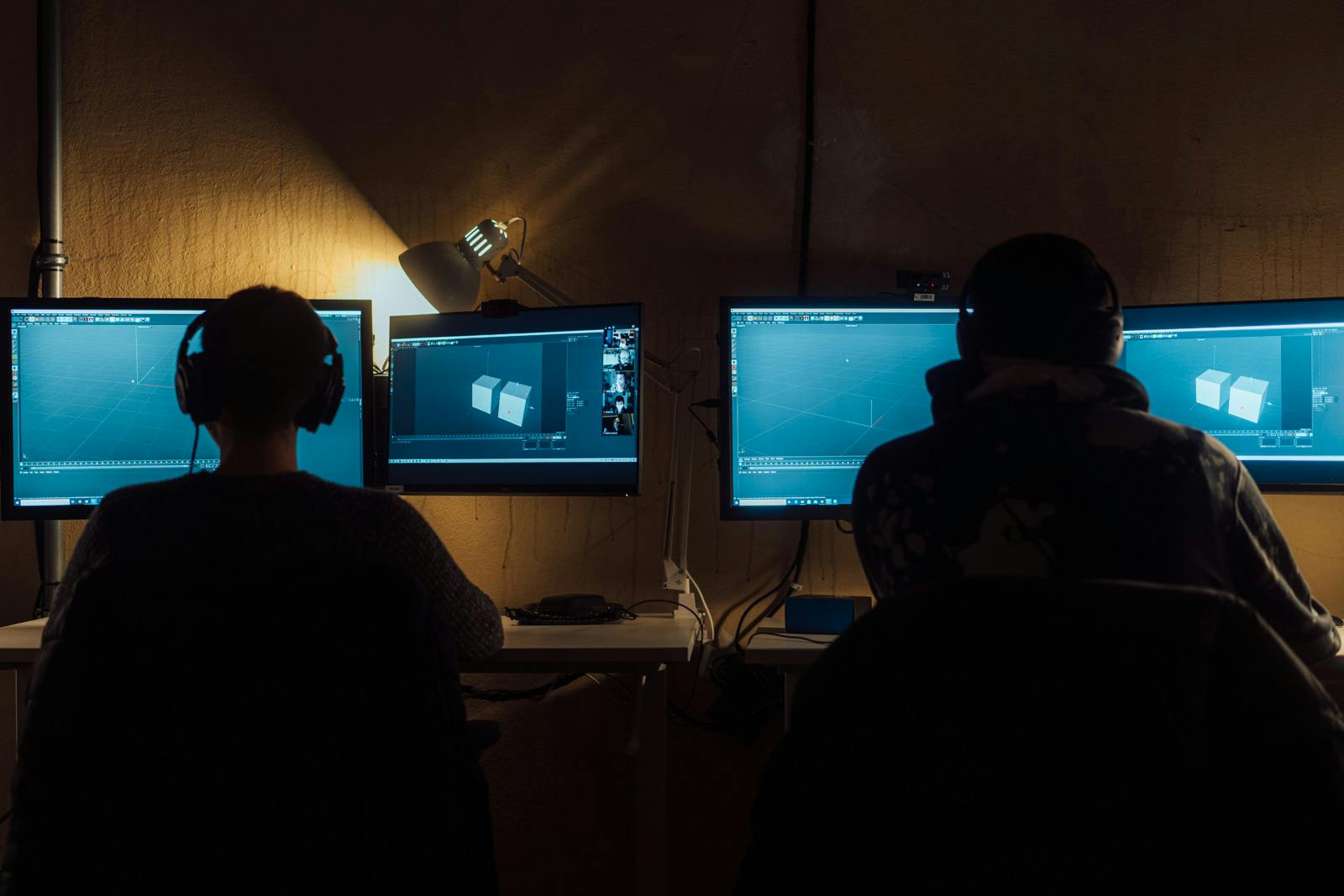
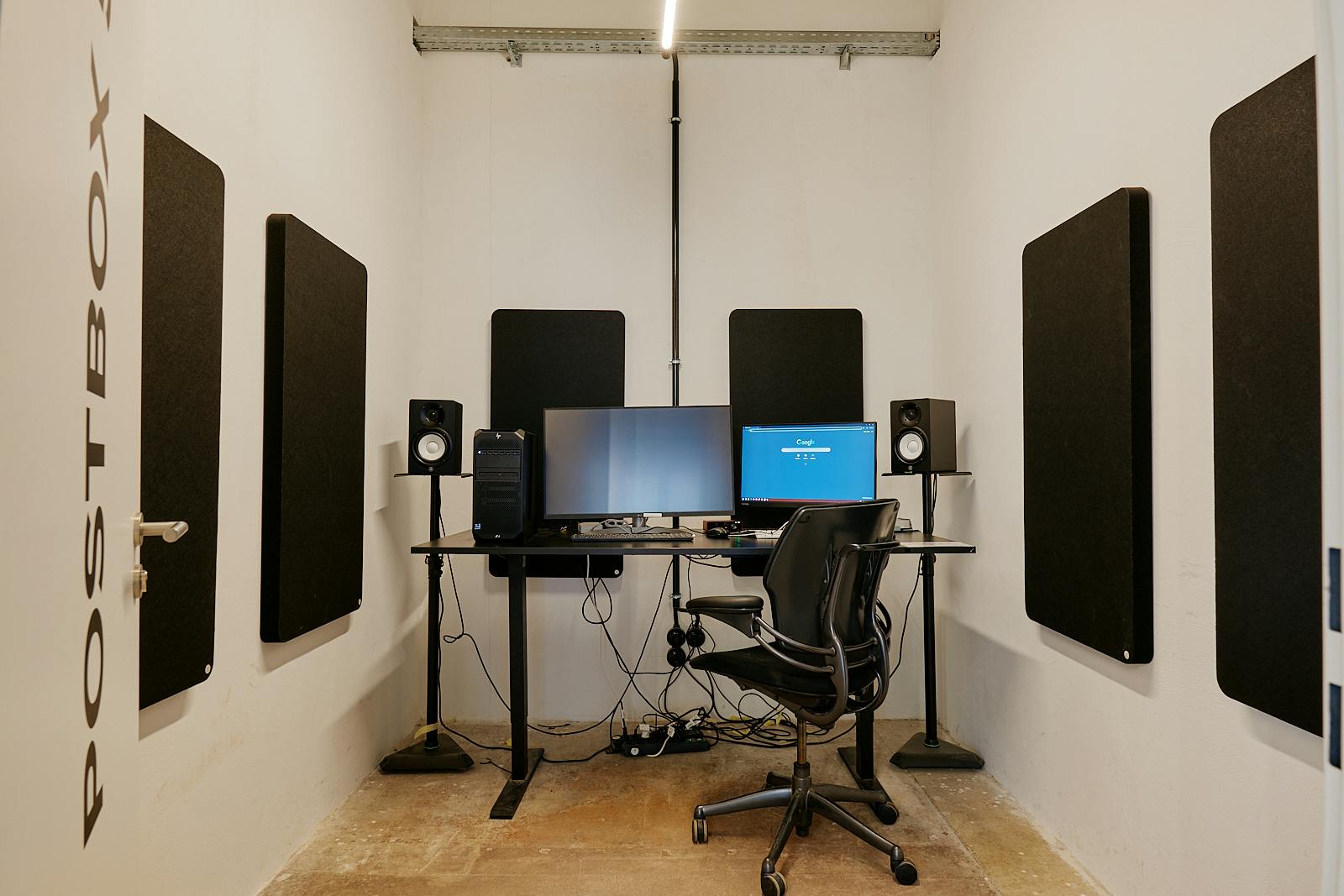
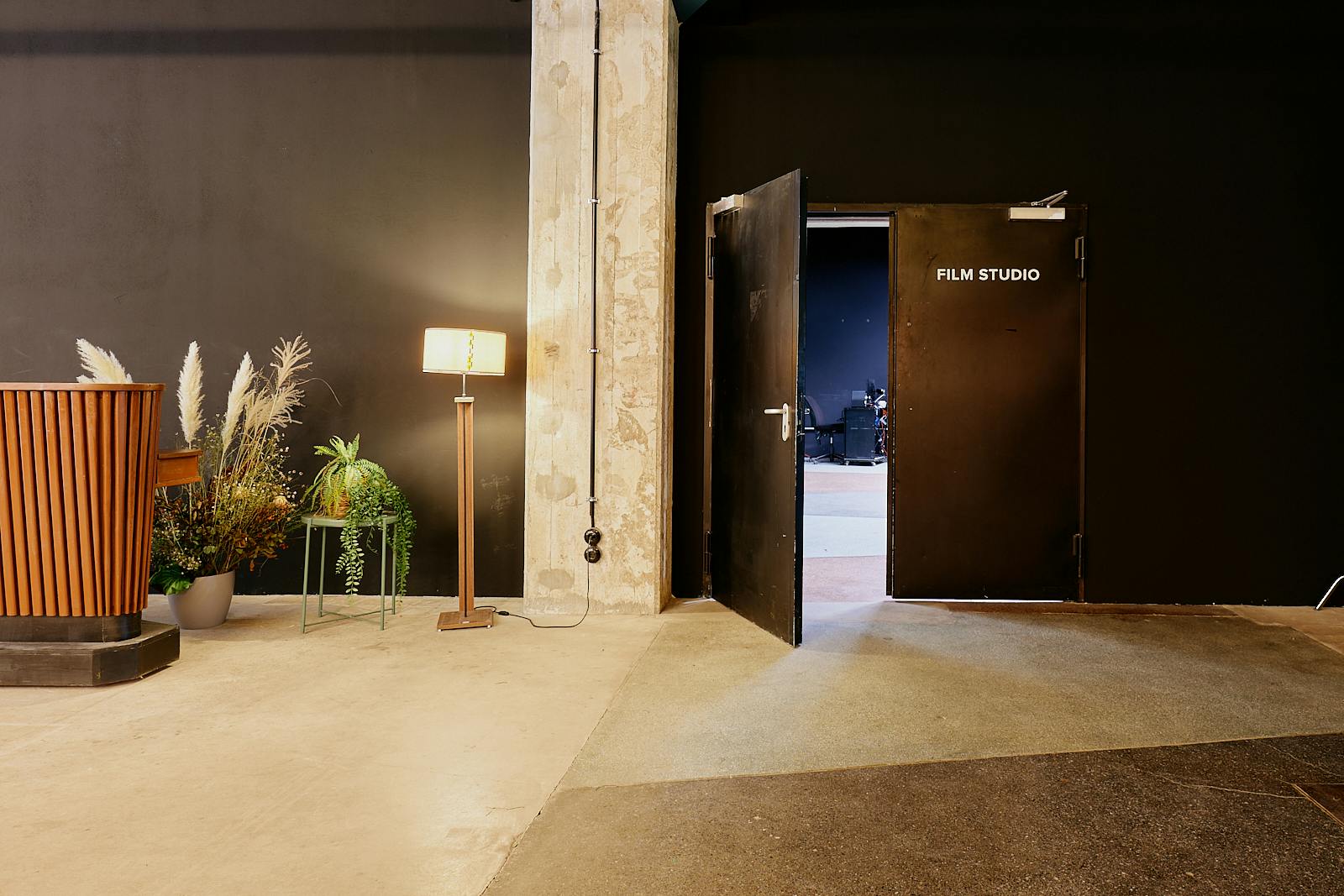
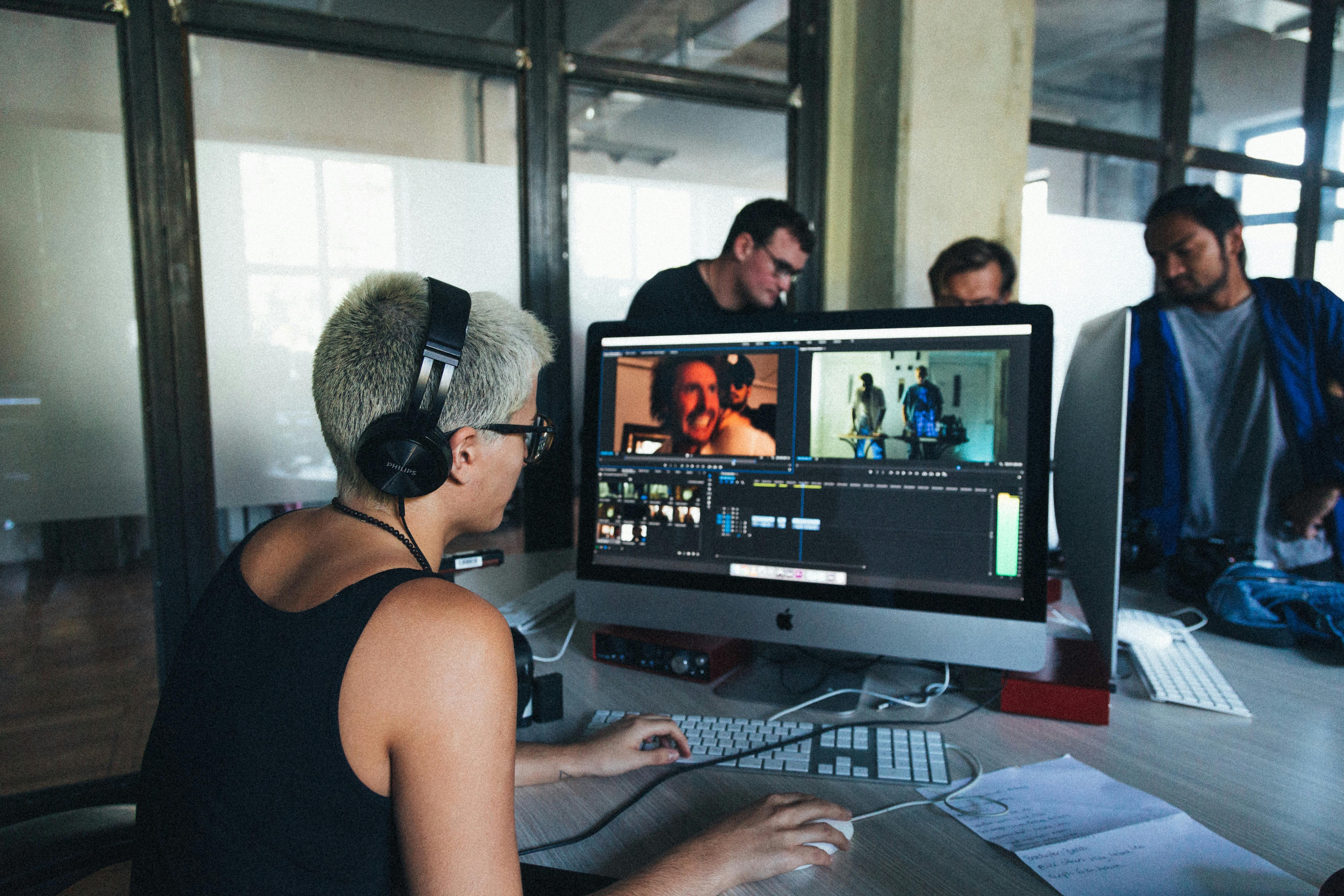
Get hands-on access to professional facilities and tons of bookable gear.


Learn from the experts
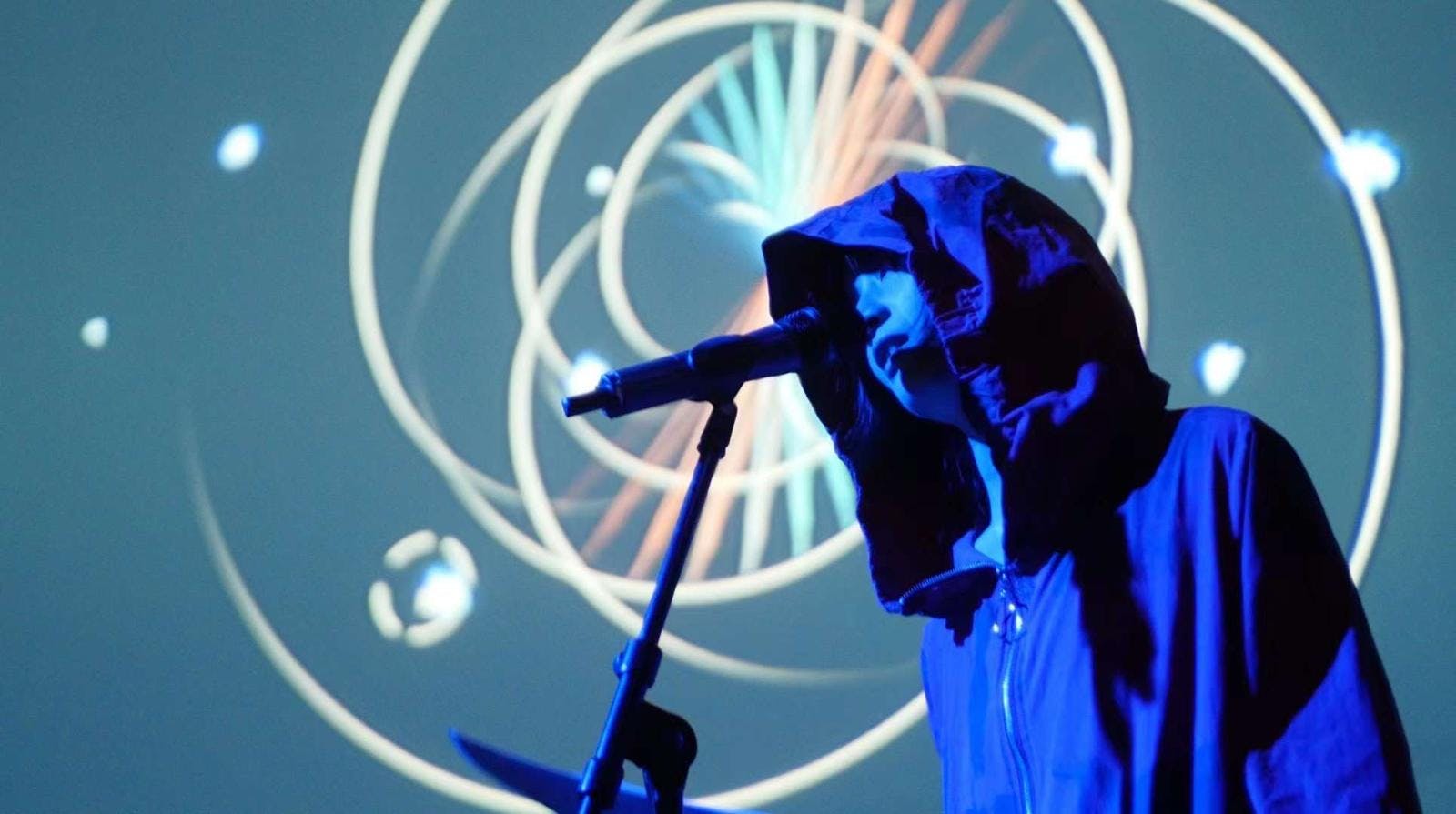
Throughout the programme you’ll learn from industry-acclaimed experts in their field, with a passion for passing on their knowledge to others.

Essential information
Tuition fees
Enrolment fee:* €495
Course fee: €2,005
Total: €2,500
Early enrolment bonus: Apply before the 31st of March to receive a €150 discount on your short course.
Multi Course Discount: Enrol in both a Summer Short Course and a degree course with us in the same year, and receive a discount of €500 off the total tuition fee.
*Enrolment fee is non-refundable.
Timetable
We can’t provide an exact timetable until we know how many students will attend the course. However, you will have an average of 16 hours per week of workshops. Alongside this, you will have some technical inductions and timetabled opportunities for collaboration with students from other programmes.
Our campus facilities are open for the students to use beyond the timetabled workshop hours. Fabriks and edit suites for editing are bookable from 10:00 until 19:45 during the Short Course term.
Entry requirements
The most important prerequisite for attending this course is that you must be passionate about building and developing your creative toolkit.
Our Short Courses are designed to be accessible to anyone, so we do not require any level of academic certification to apply. Generally, applicants must be 18 or over when the course begins. If you're coming from outside the EU, a holiday/travel visa will usually suffice.
For more information, please contact a member of the Admissions team. We love to chat! You can reach out to us at:
Email: admissions@catalyst-berlin.com
Phone: book a call
Application deadlines
Applications for 2027 Summer Short Courses open 15 October, 2026.
Apply by 31 March and save 150€.
Final deadline: 21 May, 2027
Courses fill on a first-come, first-served basis. Once full, further applications are waitlisted.