
Overview
Learn to produce music informed by the historical annals of the dancefloor during this 4-week summer short course. Through weekly workshops in rhythm, sampling, synthesis, recording, arrangement and mixing, you will explore the aesthetic approaches that have emerged from club culture and apply them to tracks of your own.
This summer course is genre agnostic: whether you're interested in electronic jazz-informed house music, thoughtful European techno or UK bass, you will explore the principles of functionally focused music. These principles are deeply rooted in five decades of evolving electronic dance culture.
Our particular focus with Dancefloor Practices is to develop an understanding of both software and hardware based approaches to composition, arrangement and production. We also value recording as a creative tool, and will explore microphones and recording techniques as ways of bringing unique and authentic elements into your productions.
The course is practical and hands-on. We focus on experimentation and putting ideas into action. You will learn skills, try them out on a range of equipment, record a lot of audio and iterate continuously, receiving group feedback at the end of each week.
Although many of our students arrive having spent years listening closely to or making tracks at home, you do not need to know how to use a DAW, programme drums, synthesise sounds, arrange or mix a finished track. You'll learn by doing through practical workshops using Ableton Live 12, microphones, hardware synthesisers and drum machines, applying what you learn directly to your own material. All of this takes place in a collaborative environment that encourages exchange and regular feedback, in professional music studios and led by musicians and producers working in electronic music in Berlin.
You will leave with finished tracks of your own, a practical and adaptable approach to production that you can continue to develop, and a clearer understanding of how to make electronic music that is functional, physical and compelling.
“The course was just what I needed. For the past few years, I have been experimenting here and there, but found that I needed more fundamental knowledge to fully understand what I was doing in my electronic music production.”
– Thanisa Durongkaveroj, Electronic Music Production alumna
Course structure
Topics covered
Across four weeks you will work through the tools, techniques and creative principles behind dancefloor production, from the first recorded sound or drum pattern through to a finished mix. Areas covered include Recording, Sampling, Sound Design, Synthesis, Composition, Arrangement and Mixing.
Ableton Live 12 essentials
Learn your way around Ableton Live 12 and build a practical foundation in the tools you'll use throughout the course — recording, editing, sequencing, sampling, arrangement and mixing.
Recording + Microphones
Get to grips with the importance of audio and how to capture unique moments.
Audio Editing and Sound design
Warp, edit and manipulate audio. Craft your own palette through creative recording techniques. Resample and reuse your audio in new and innovative ways. Shape original sounds through audio processing and effects manipulation. Get to grips with what sound is and how it can be shaped into new forms and expressions.
Instruments, synths & drum machines
Work with the classics of electronic music production - learn through exploration of both hardware tools and software emulations.
Composition & arrangement
Learn techniques and approaches to creating compelling, functionally focused tracks. Experiment with different aesthetics and techniques to find your sound.
Finishing your tracks
Take your compositions through to finished form, ready to share with the world.
Weekly breakdown
Week 1 – Introduction to Electronic Music through the Lens of Dancefloor Practices
Project: Create your first short piece using basic recording and production techniques
- What is audio
- Introduction to Ableton Live
- Simple recording techniques / field recordings
- Analyses of dance tracks / styles / genres
- Studio listening session / music analyses / how to give feedback
Week 2 – Sampling
Project: Create a track with sampling being the primary technique
- Sampling culture
- Audio editing in Ableton Live 12, warping
- Recording basics, dynamic microphones
- Loop-based performance
- Studio listening session and feedback round
Week 3 – Synthesis
Project: Create your own sound world.
- Project: create a track with synthesizers and drum machines
- Exploration of hardware and software synthesizers
- Exploration of drum machines
- Recording synthesizers and drum machines
- Studio listening session and feedback round.
Week 4 – Arrangement Basics
Project: Complete and mix an original track of your own
- Arranging a track and making final adjustments
- Mixing basics
- Performance and jamming with synths
- Final studio listening session and feedback round.
Skills gained
Upon successful completion of this course, you will be able to:
- Understand the basic principles of sound
- Make use of basic recording techniques
- Use dynamic and condenser microphones
- Process and shape audio in Ableton Live 12
- Understand the basic principles of synthesis and drum machine programming
- Record synthesizers and drum machines
- Understand the principles and creative applications of sampling
- Arrange a compelling piece of music
- Understand basic mixing principles and how to “finish” a track
- Listen critically to your own work and give constructive feedback to others
Progression
The summer courses are complete courses in their own right, but they can also provide a foundation for students who want to continue into one of Catalyst’s longer HE Certificate, BA or MA programmes.
Over four weeks, you’ll develop practical experience with electronic music production and get to know Catalyst’s studios, equipment and creative community. For students who want to take their practice further, this provides a natural starting point for more sustained study across music production, composition, sound design and related disciplines.
The course also gives you the opportunity to work with a wide range of professional music equipment and digital workstations, developing projects that can form the beginning of a personal portfolio.
Your technological playground
Get hands-on access to cutting-edge facilities and tons of bookable gear.


"My producing and recording skills improved immensely during the summer program. The course introduced me to new concepts and techniques that provided a strong foundation for developing my sound."
– Jess Ornstein, Electronic Music Production & Performance BA / HE Cert student
Learn from the experts
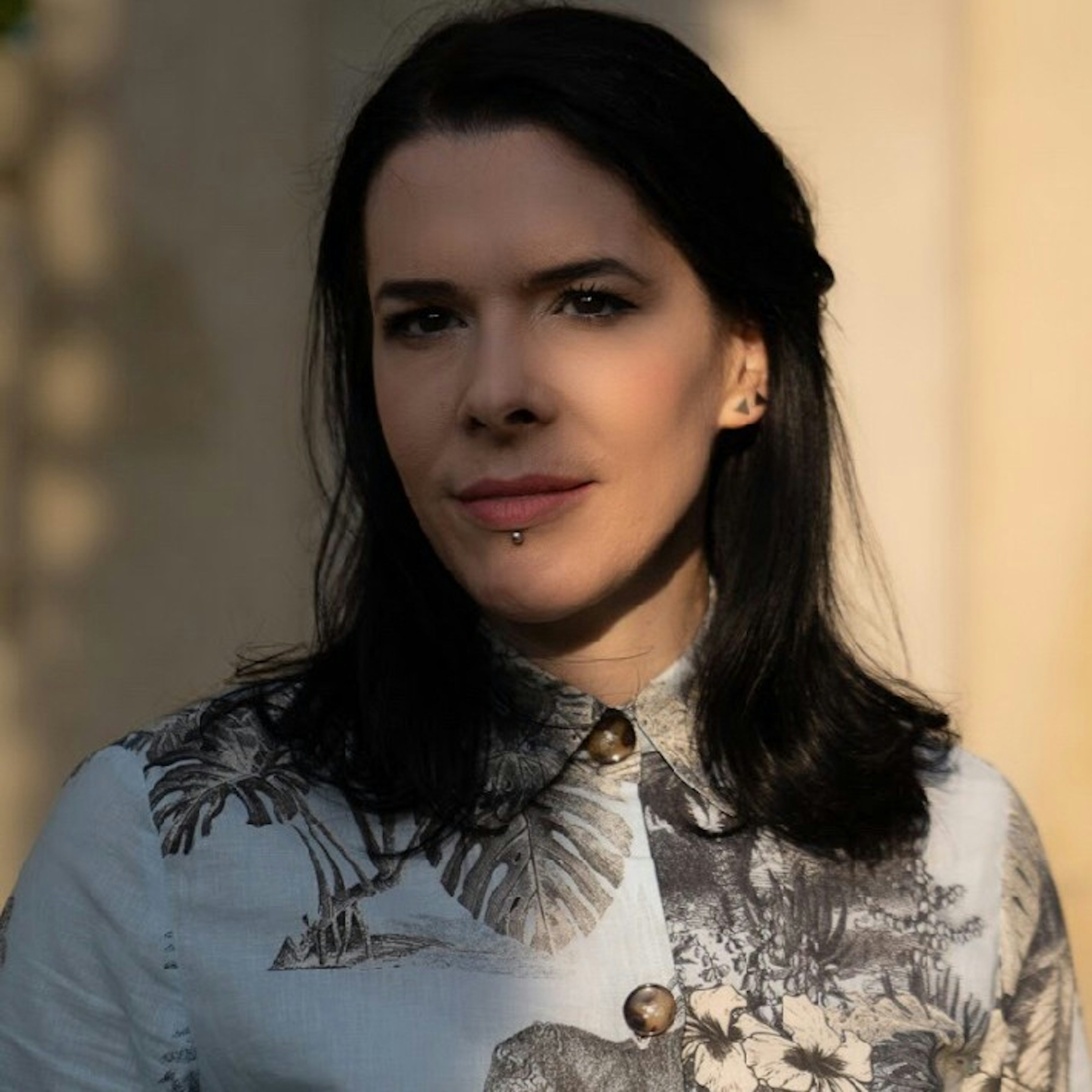
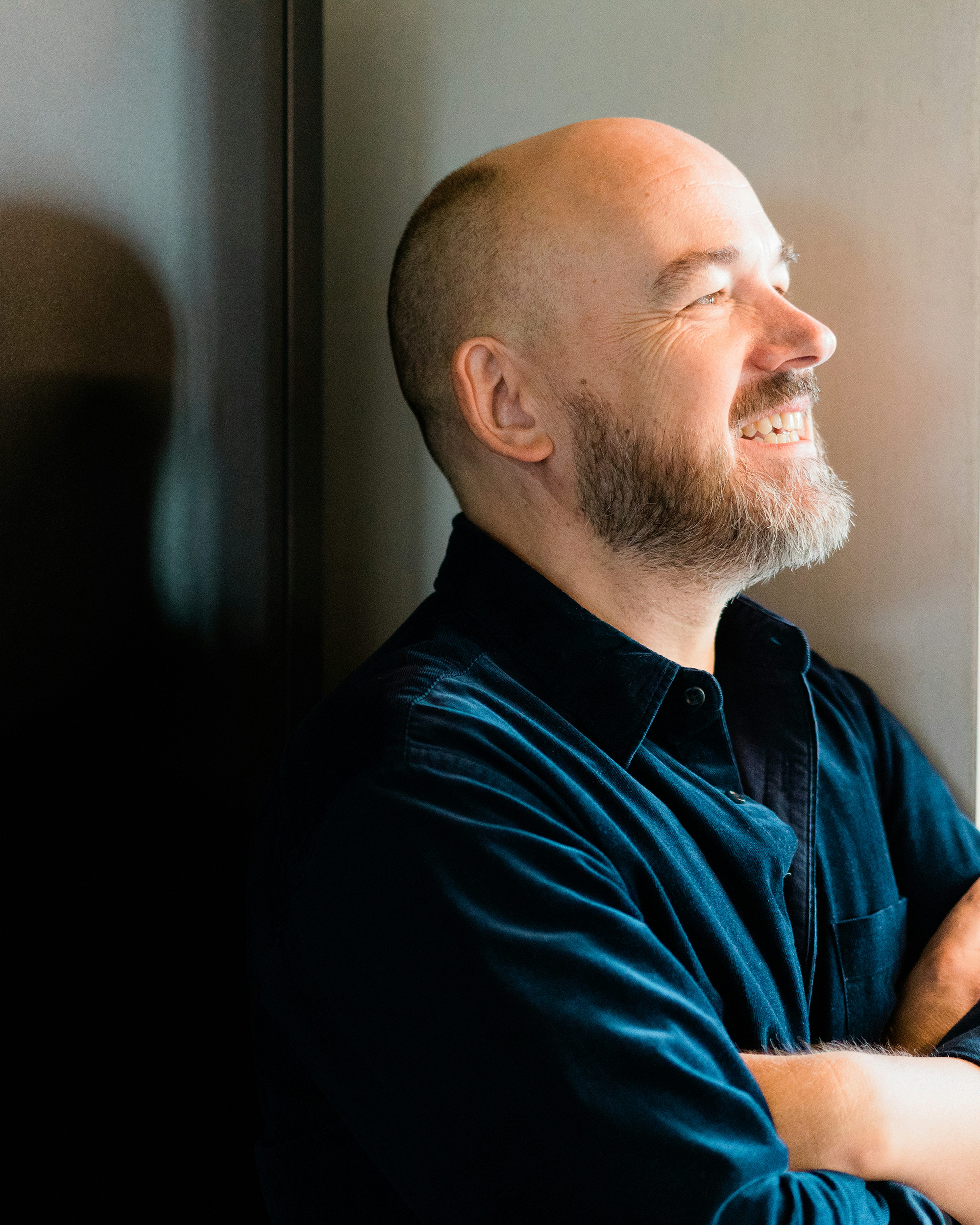
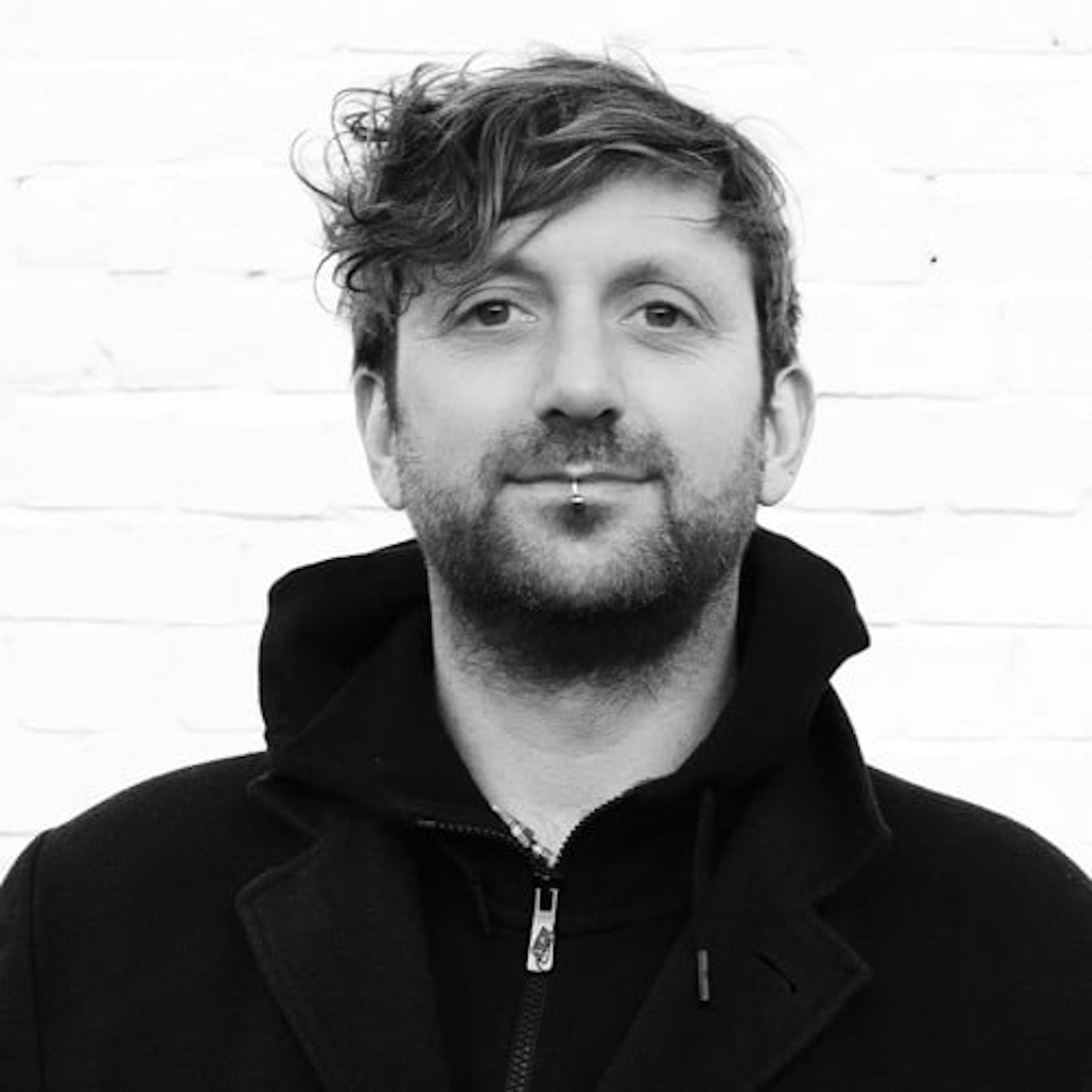
Throughout the programme you’ll learn from industry-acclaimed experts in their field, with a passion for passing on their knowledge to others.
Student work
Have a listen to some of the tracks created by our previous short course students.
Essential information
Tuition fees
Enrolment fee:* €495
Course fee: €2,005
Total: €2,500
Early enrolment bonus: Apply before the 31st of March to receive a €150 discount on your short course.
Multi Course Discount: Enrol in both a Summer Short Course and a degree course with us in the same year, and receive a discount of €500 off the total tuition fee.
*Enrolment fee is non-refundable.
Timetable
We can’t provide an exact timetable until we know how many students will attend the course. However, you will have an average of 16 hours per week of workshops. Alongside this, you will have some technical inductions and timetabled opportunities for collaboration with students from other programmes.
Our campus facilities are open for the students to use beyond the timetabled workshop hours. Electronic music production suites, mix suites and studio production rooms are bookable from 10:00 until 19:45 during the Short Course term. Each student has 3 hours per week of bookable time, as well as ad-hoc bookings depending on availability of the facilities.
Entry requirements
The most important prerequisite for attending this course is that you must be passionate about building and developing your skills within electronic music production.
Our Short Courses are designed to be accessible to anyone, so we do not require any level of academic certification to apply. Generally, applicants must be 18 or over when the course begins. If you're coming from outside the EU, a holiday/travel visa will usually suffice.
For more information, please contact a member of the Admissions team. We love to chat! You can reach out to us at:
Email: admissions@catalyst-berlin.com
Phone: +49 30 2900 9052
Application deadlines
Applications for 2027 Summer Short Courses open 15 October, 2026.
Apply by 31 March and save 150€.
Final deadline: 21 May, 2027
Courses fill on a first-come, first-served basis. Once full, further applications are waitlisted.
